Articles
On planning, cycling and caring for an aquarium, on plants, disease and salt water: the short version first, and checked against the sources.
On planning, cycling and caring for an aquarium, on plants, disease and salt water: the short version first, and checked against the sources.
What an aquarium costs in time and money, where it should go, and why a bigger tank is easier than a small one.
What GH, KH and pH mean in practice, why tap water varies so much from place to place, and how to find fish that thrive in yours.
Why "one cm of fish per liter" falls short, and what adult size, schools, territory and swimming zones mean for how many fish a tank can hold.
Temperament, fin nippers, fish that eat other fish, and fish that need the same water. And what the Harmony mark in the app means.
Filter, heater, thermometer, light, test kits and water conditioner: what you need from the start, and what can wait.
Gravel or sand, how deep the substrate should be, how to rinse it, and rocks and wood that change the water.
Why fish die in new tanks, what happens in the water during the first few weeks, and how to tell when your tank is ready.
Step by step: how to cycle a new tank before the fish move in, how long it takes, and how to speed it up.
From the store to the tank: how to get the fish used to your water, why you should add only a few at a time, and what to watch for in the first few days.
Why new fish should live in a tank of their own for a few weeks before they move in, what you need, and what to look for.
The most important thing you do for your fish each week: how much water to change, how to vacuum the gravel, and what the new water needs.
How much and how often to feed your fish, why overfeeding is so dangerous, and food for bottom dwellers and herbivores.
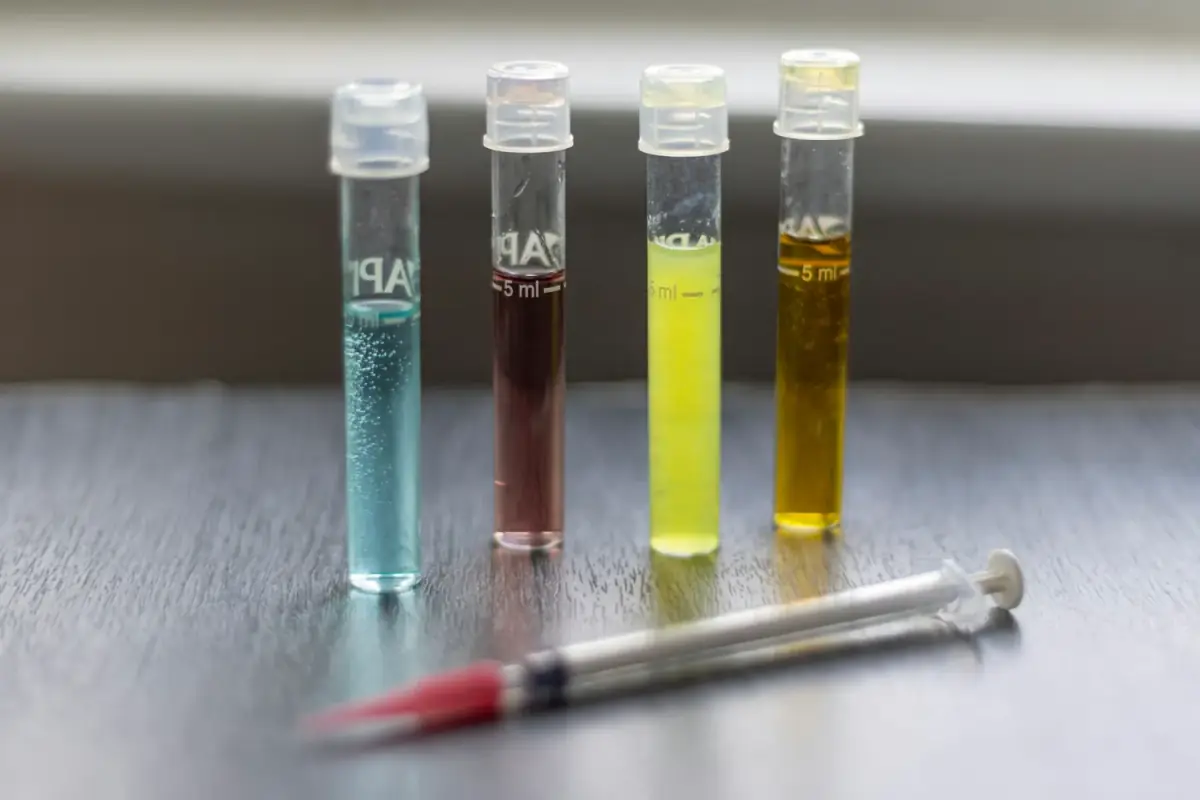
Liquid tests or strips, which values matter and when, and how to log them in the app.
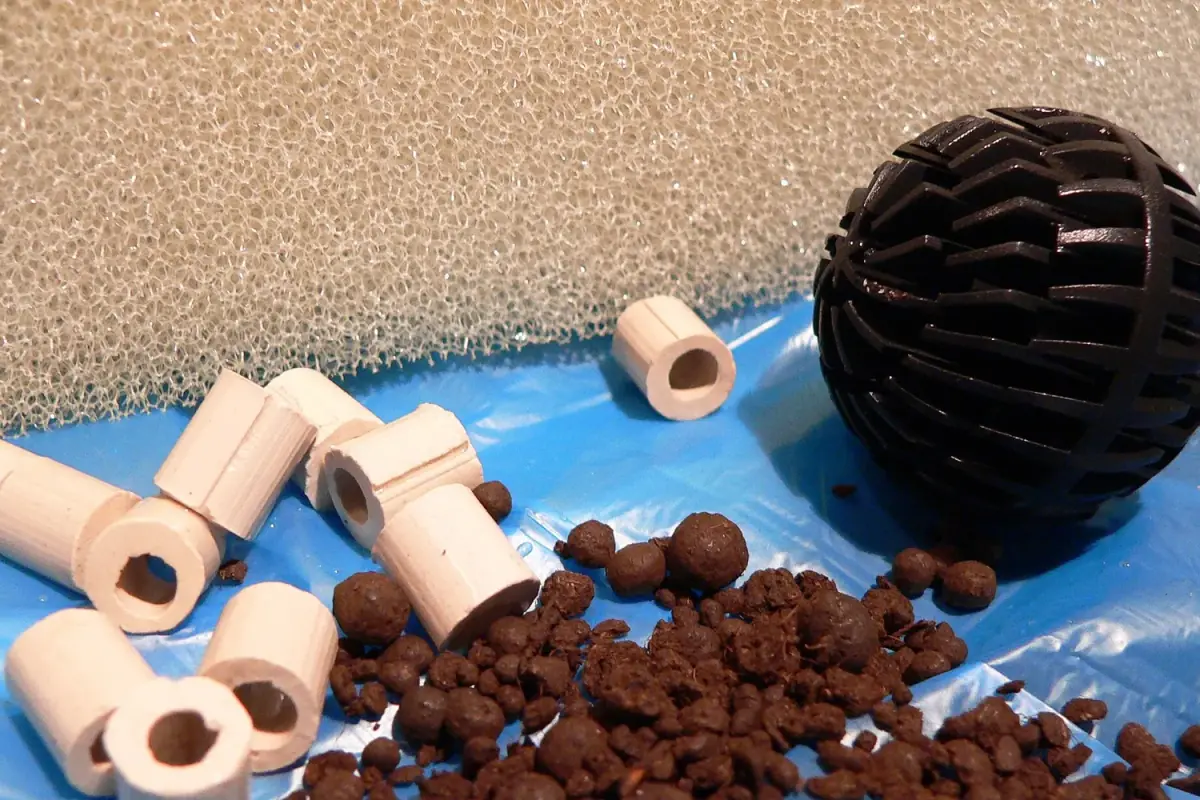
How to keep the filter clean without killing the bacteria that do the work: tank water, never tap water, and never everything at once.
Adult fish do just fine for a few days without food. How to get your tank ready before you leave, and why vacation feeder blocks and automatic feeders can do more harm than good.
Light, nutrients and CO₂ in balance, low tech versus high tech, and how to read from the leaves what your plants are missing.
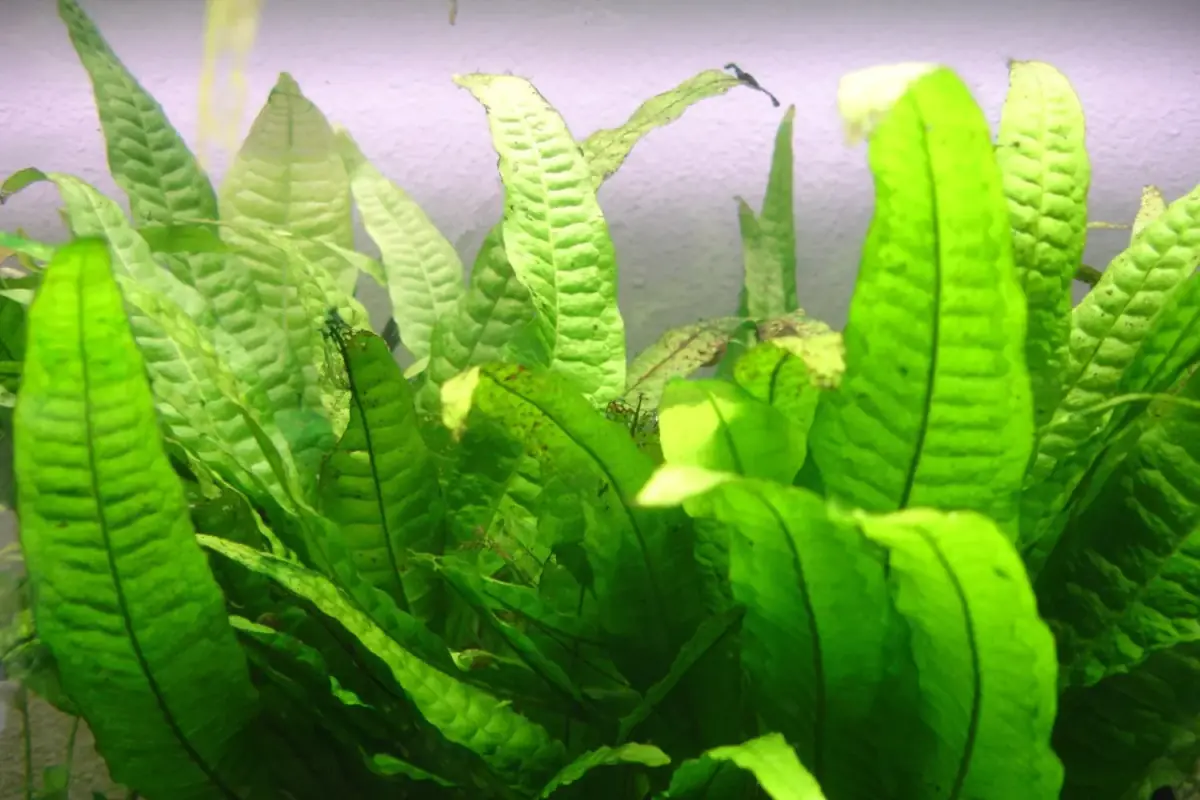
Plants that cope with low light, soft water and a beginner’s mistakes, and how to plant them so they grow.
How many hours the light should be on, why more light does not mean better plants, and how to avoid algae.
What a biotope aquarium is, how to build one after a particular river or lake, and how the app helps you find species that belong together.
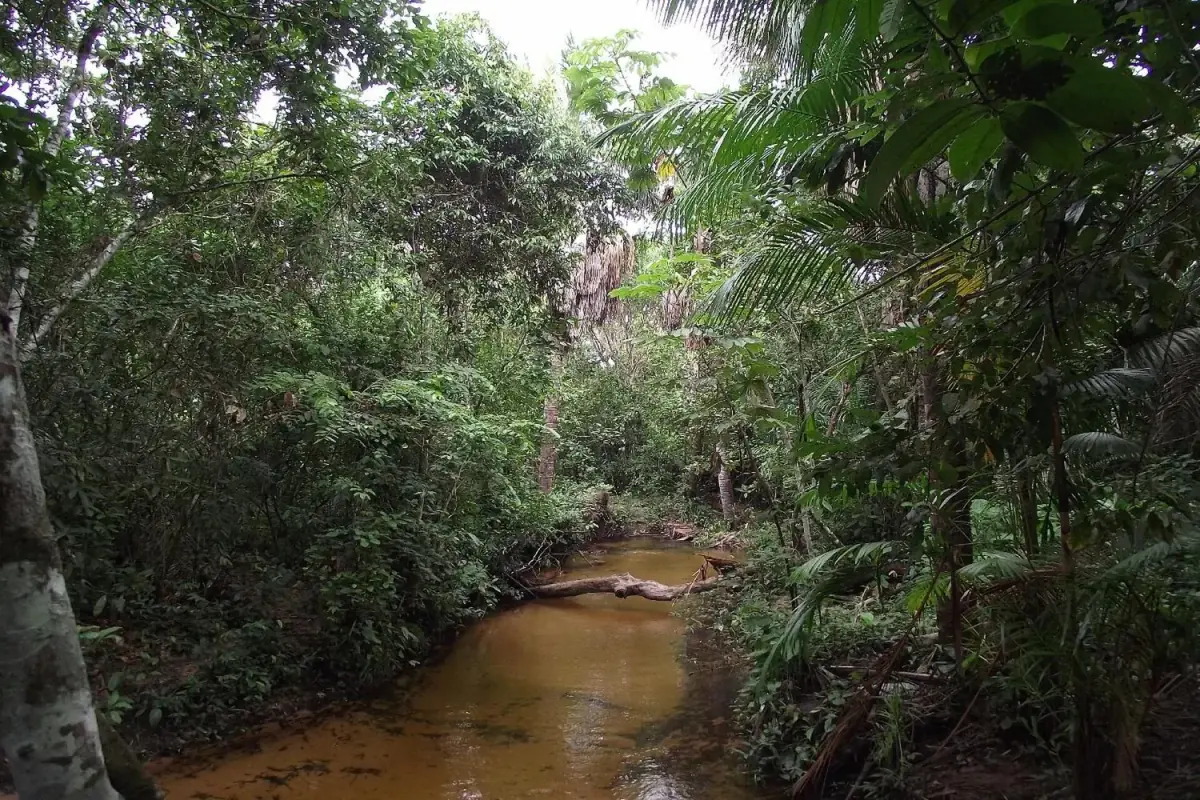
Soft, acidic water, subdued light, sand, roots and fallen leaves: how to set up a biotope aquarium from the Amazon and the rivers around it.
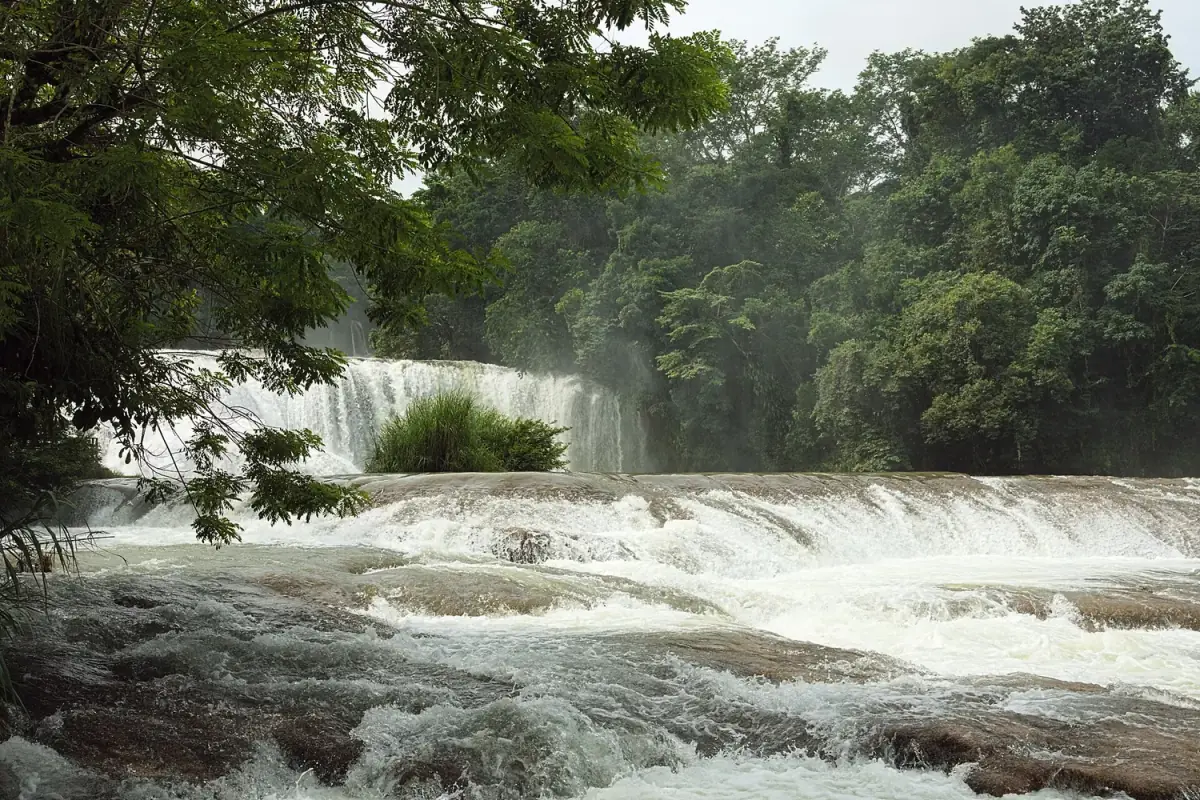
Hard, alkaline water, sand and rock: an aquarium from the rivers and lakes of Mexico and Central America, with cichlids and livebearers.
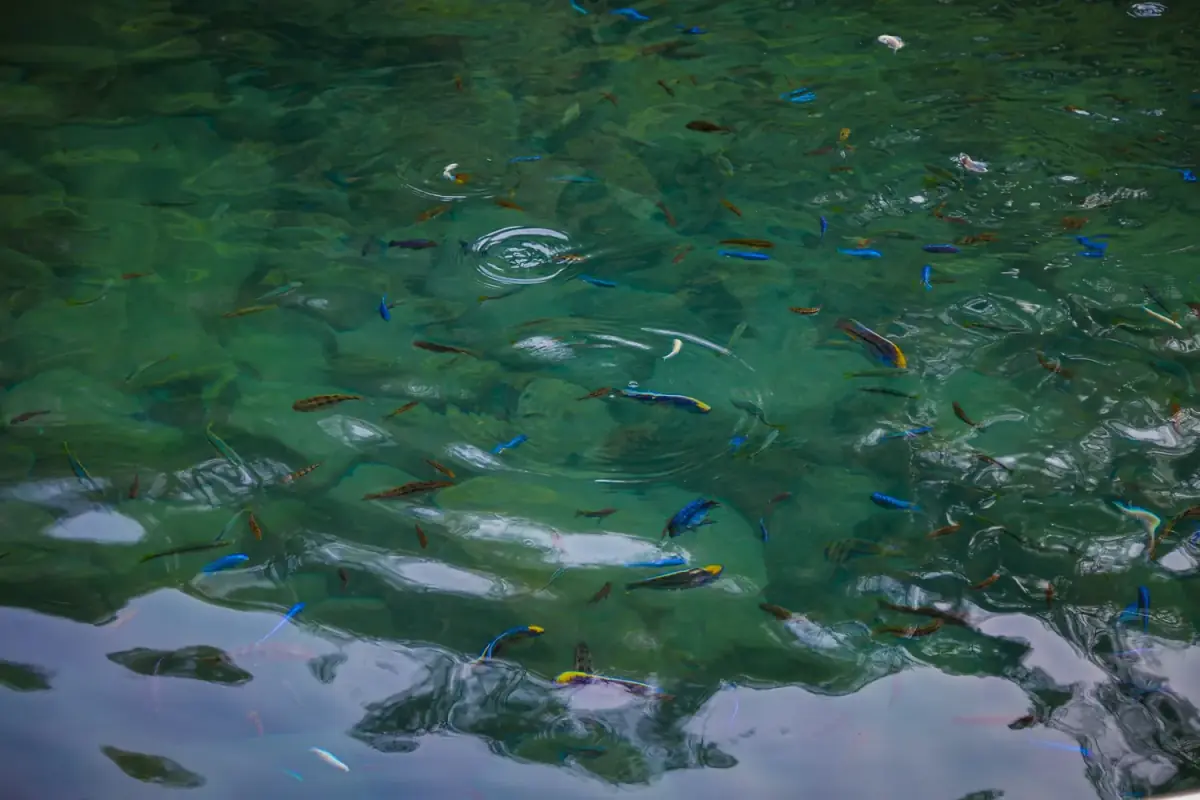
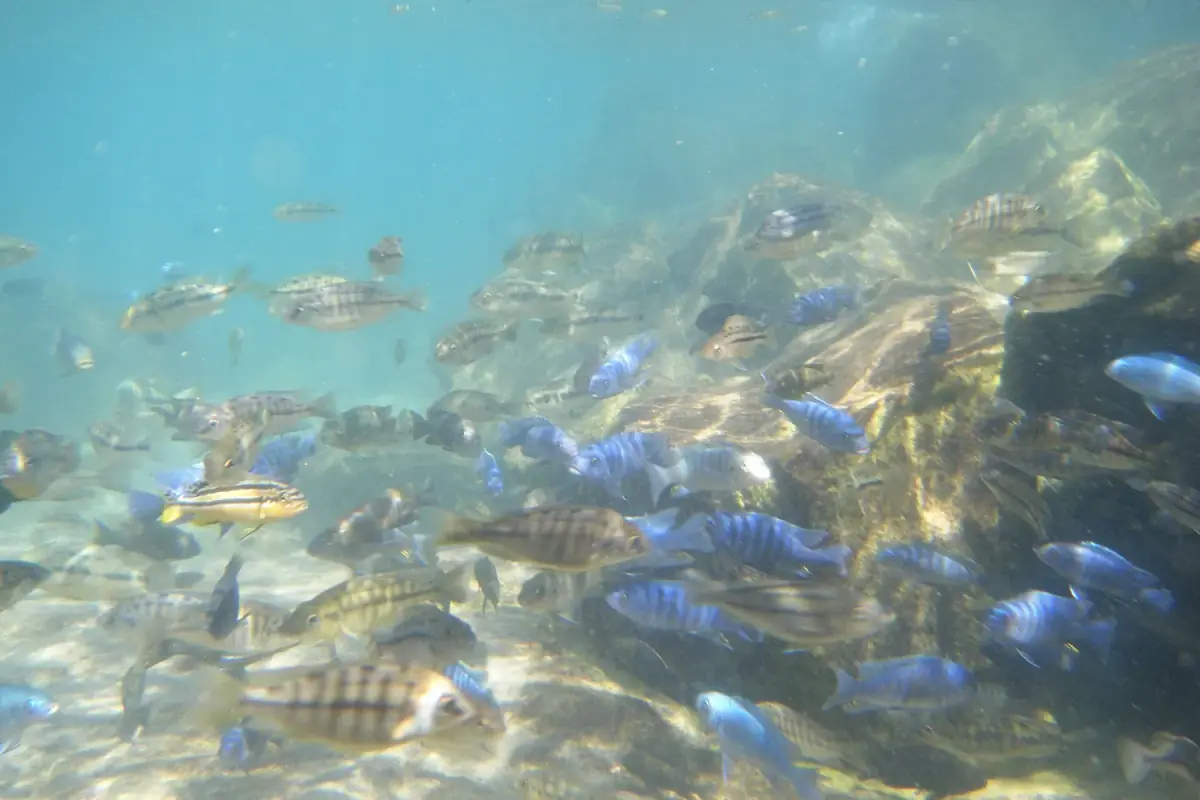
Two completely different aquariums: forest rivers with soft, brown water, roots and leaves, and Rift Valley lake cichlids in hard, alkaline water with big rock piles.
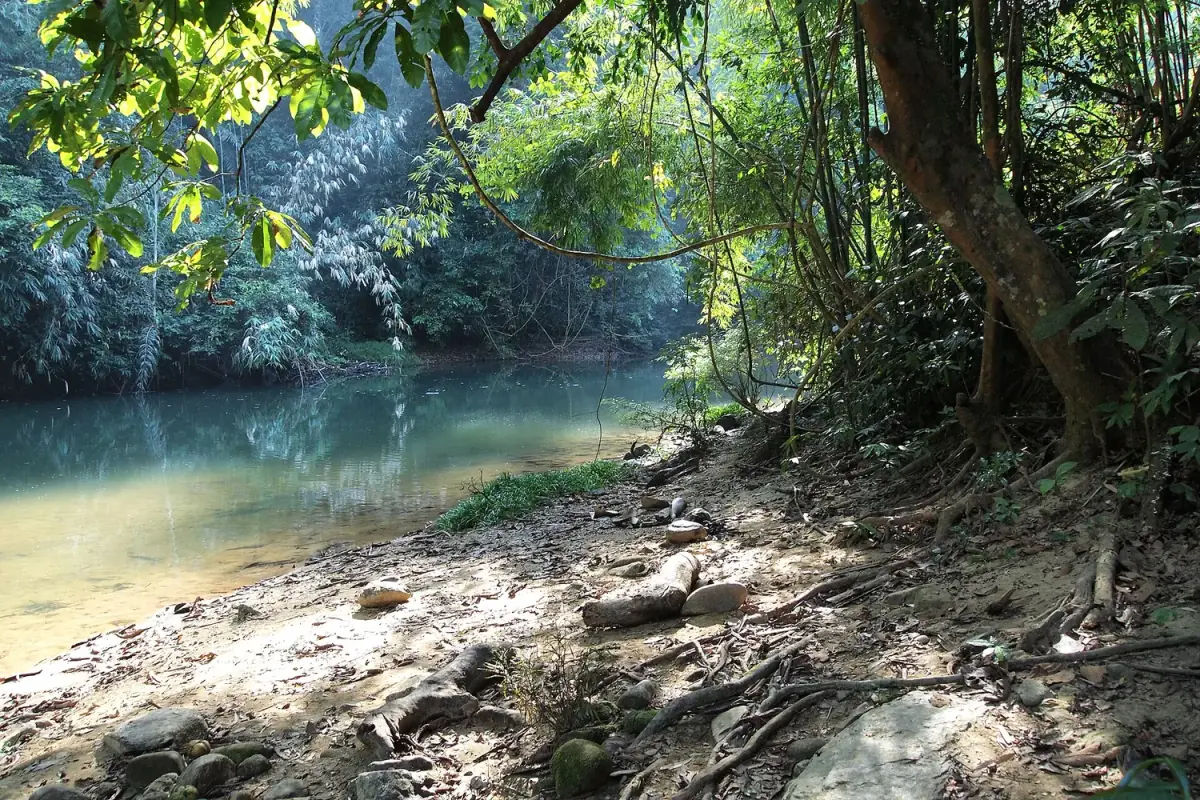
Two aquariums from Southeast Asia: calm forest streams and peat swamps with soft, brown water, and fast mountain streams with cool, oxygen-rich water.
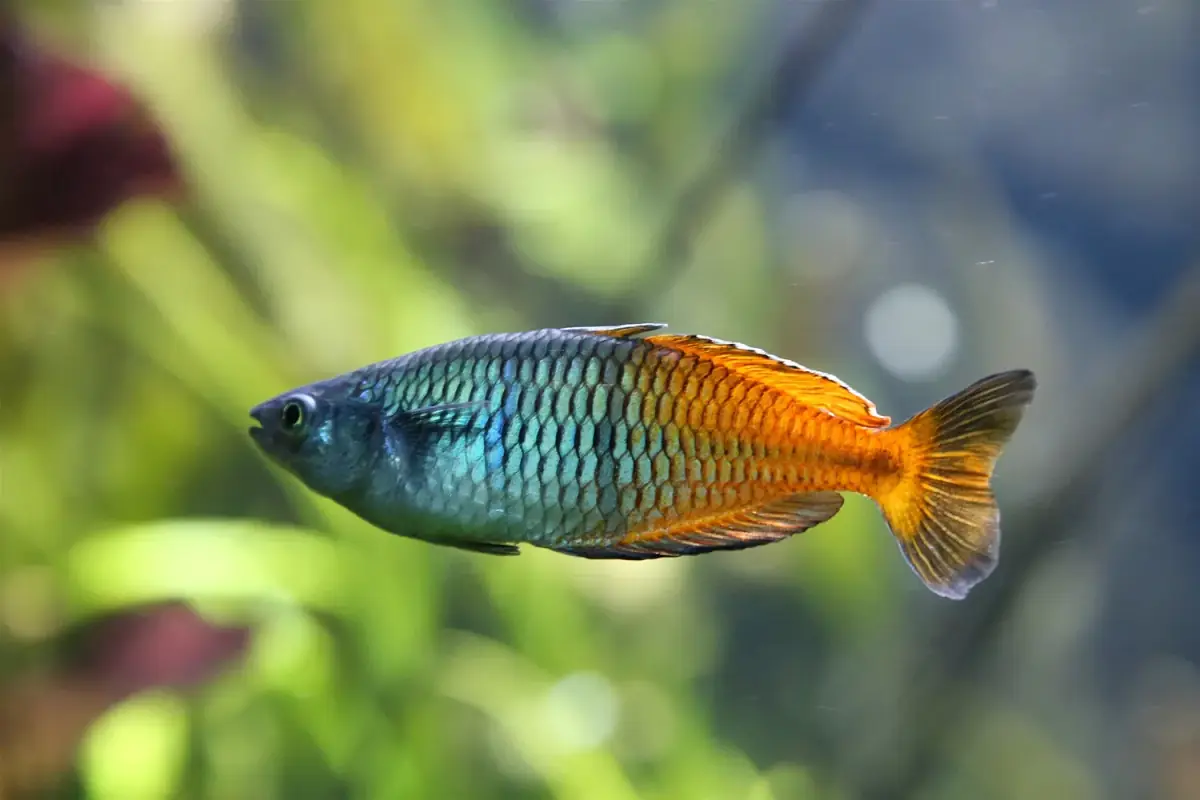
The home of rainbowfish: water, substrate, plants and light for rainbowfish, blue-eyes and peacock gudgeons, with a long aquarium and open water in the middle.
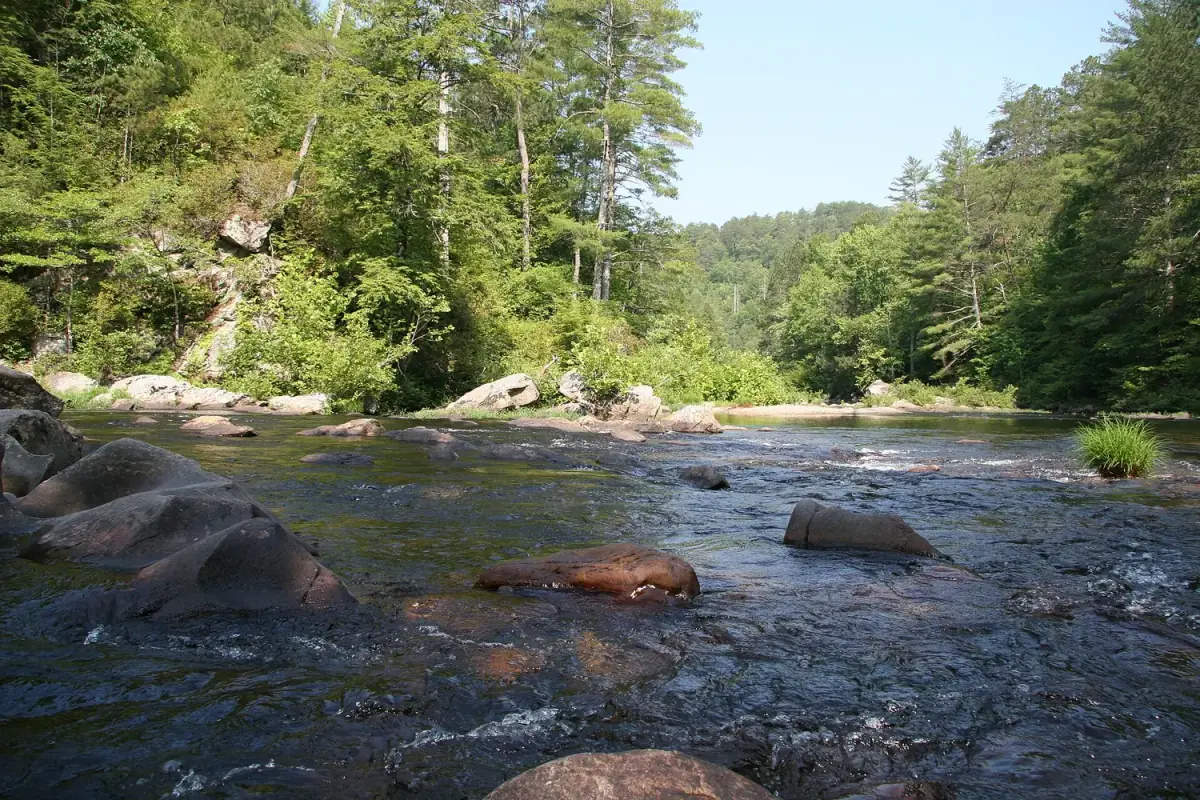
Streams and ponds in North America are often cool. How to set up an aquarium without a heater, with pygmy sunfish, shiners and darters.
A coldwater aquarium with European fish and plants, without a heater. The water follows the seasons, and summer heat is the biggest problem.
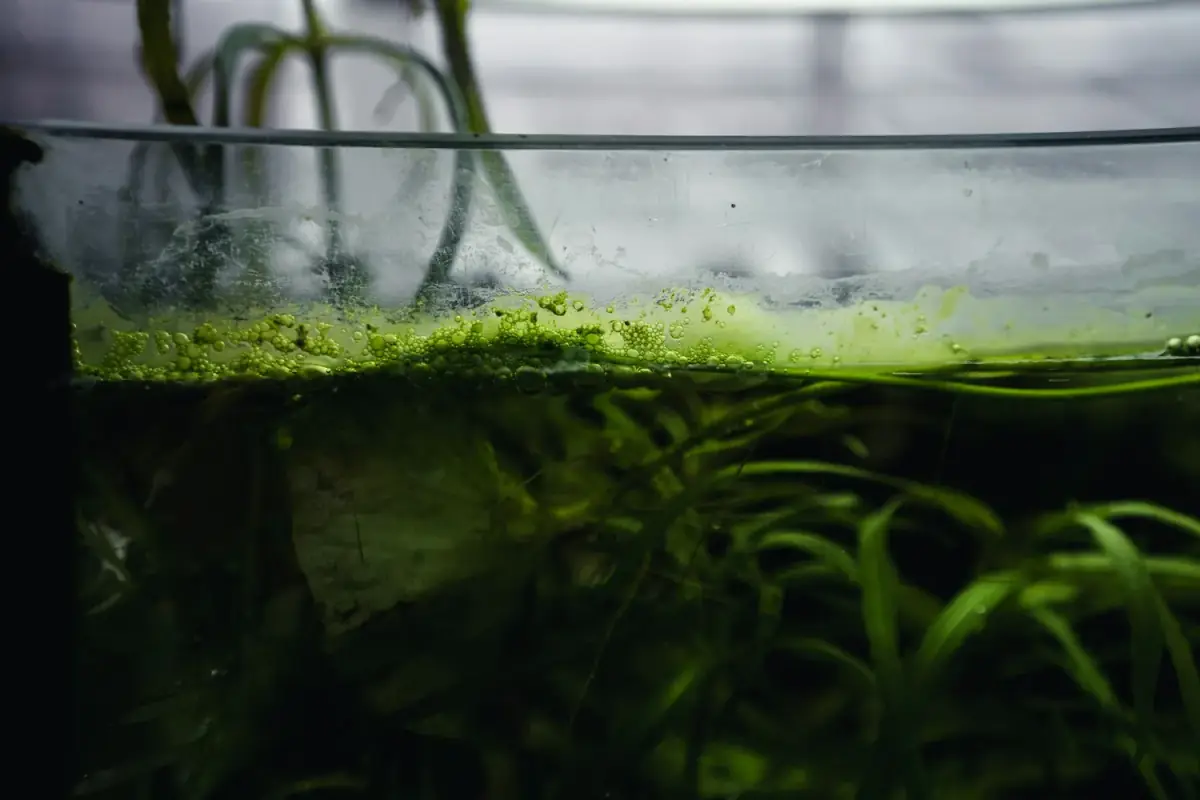
The most common algae in the aquarium, how to recognize them, and why the cause is almost always an imbalance of light and nutrients.
A white haze, green water or murky water after a move: what makes the water cloudy, and what to do about it.
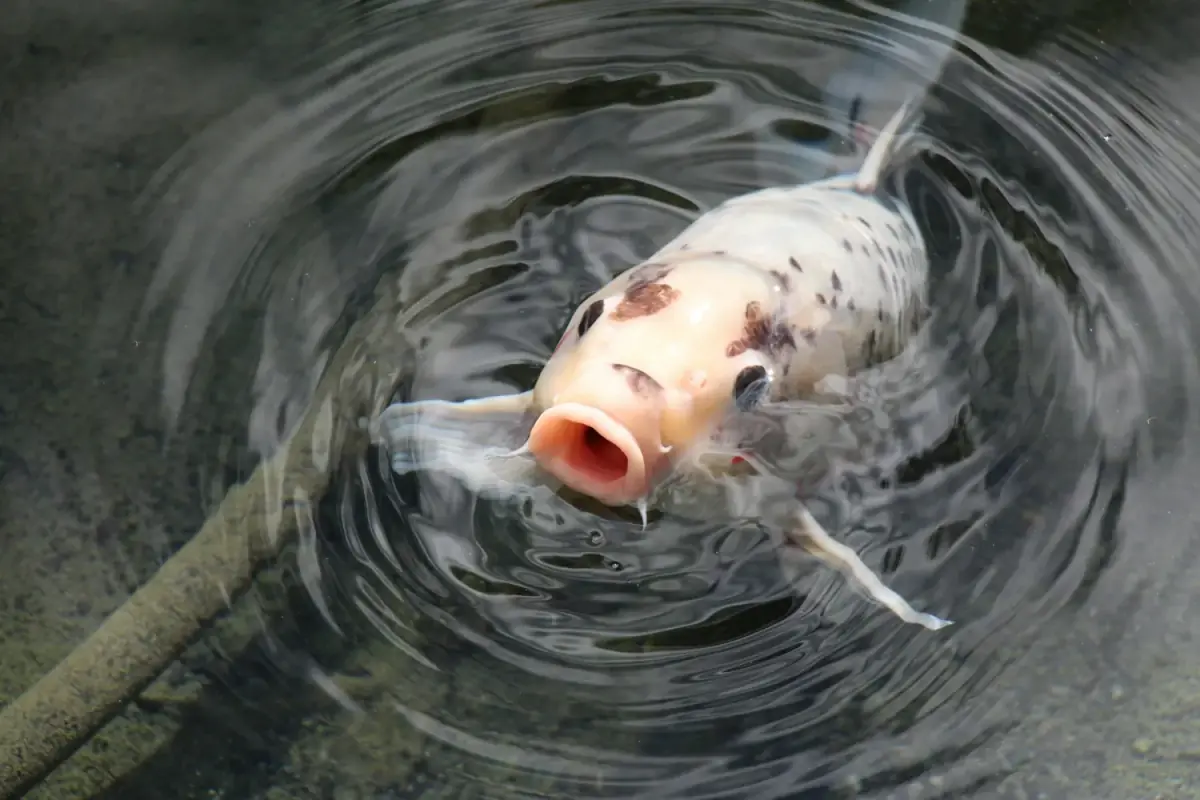
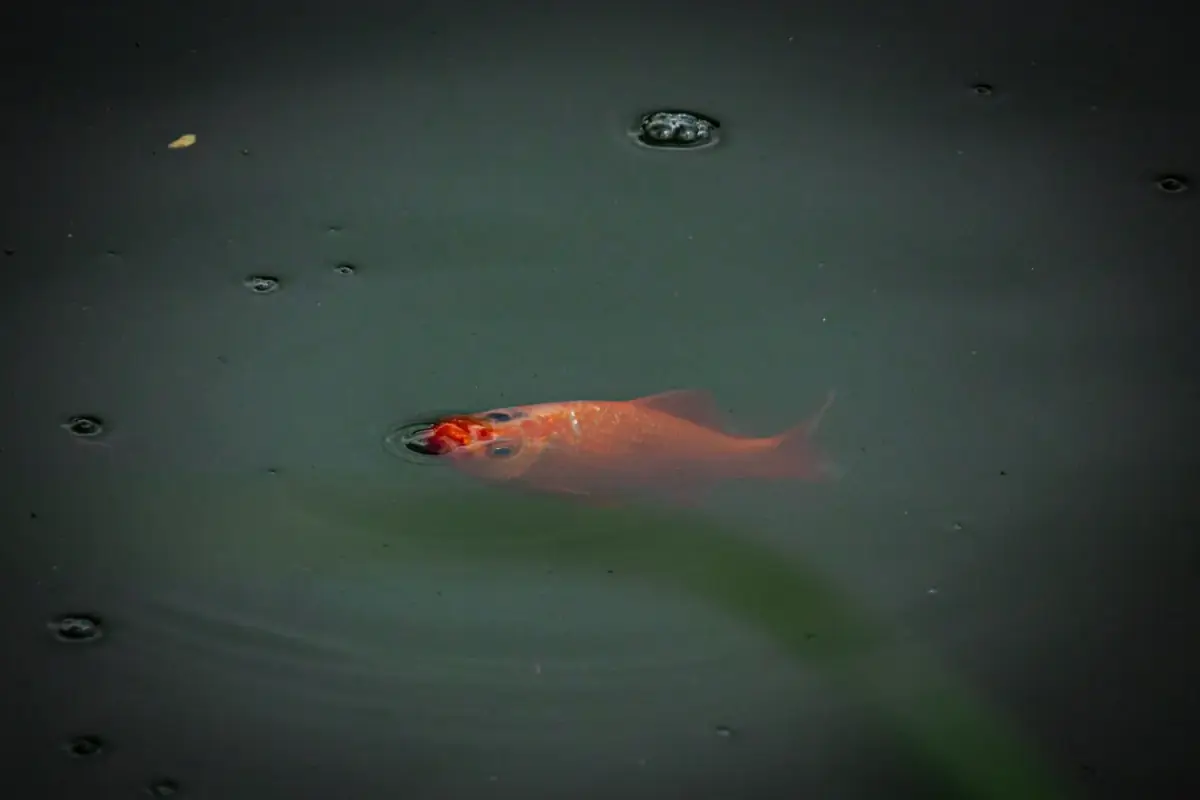
When your fish hang at the surface gulping for air: the most common causes, and what to do right away.
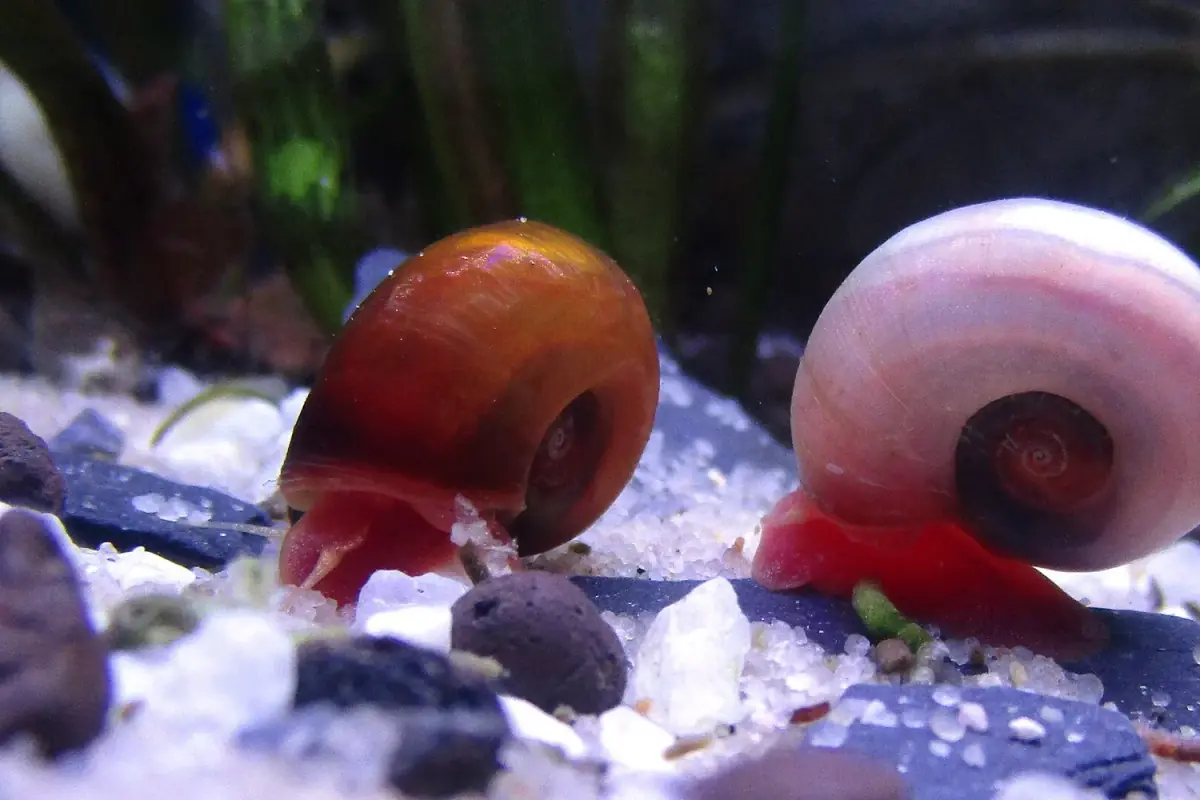
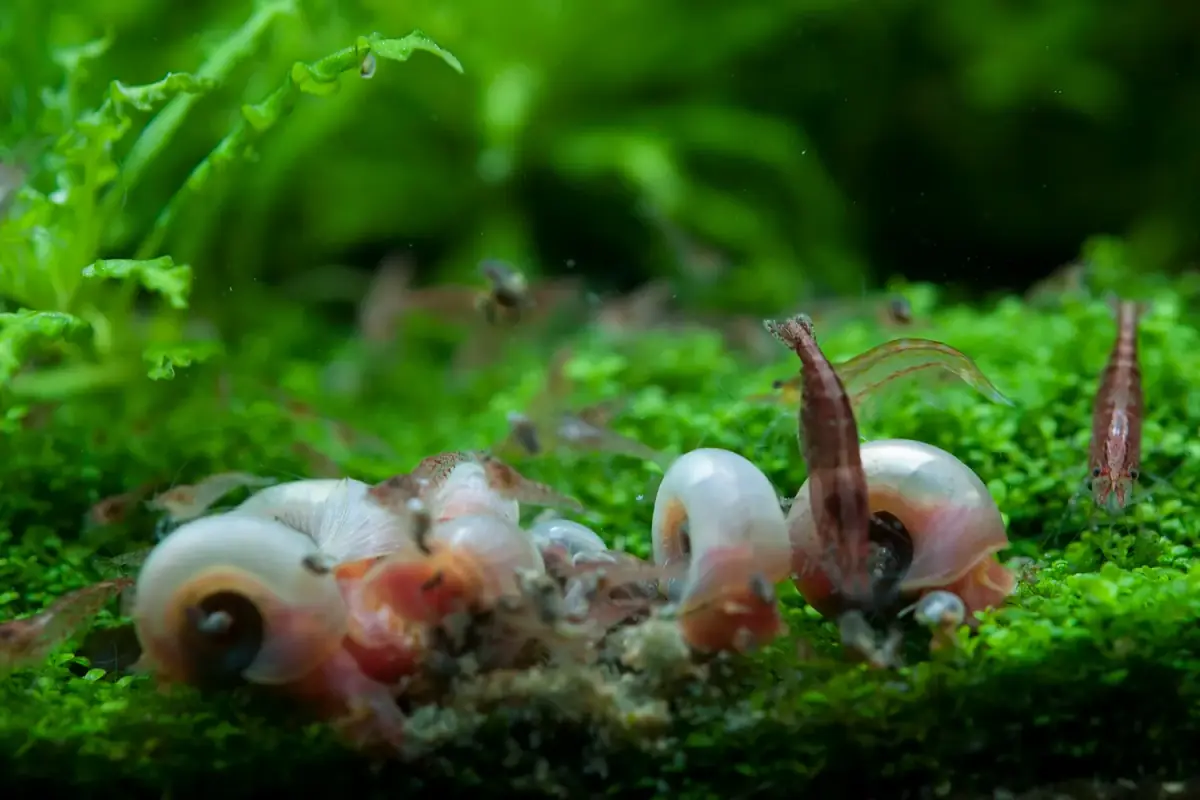
Where the little snails come from, why lots of snails often means too much food, and how to bring their numbers down without poison.
The signs that a fish is not doing well, why you always test the water first, and what to do before you buy medicine.
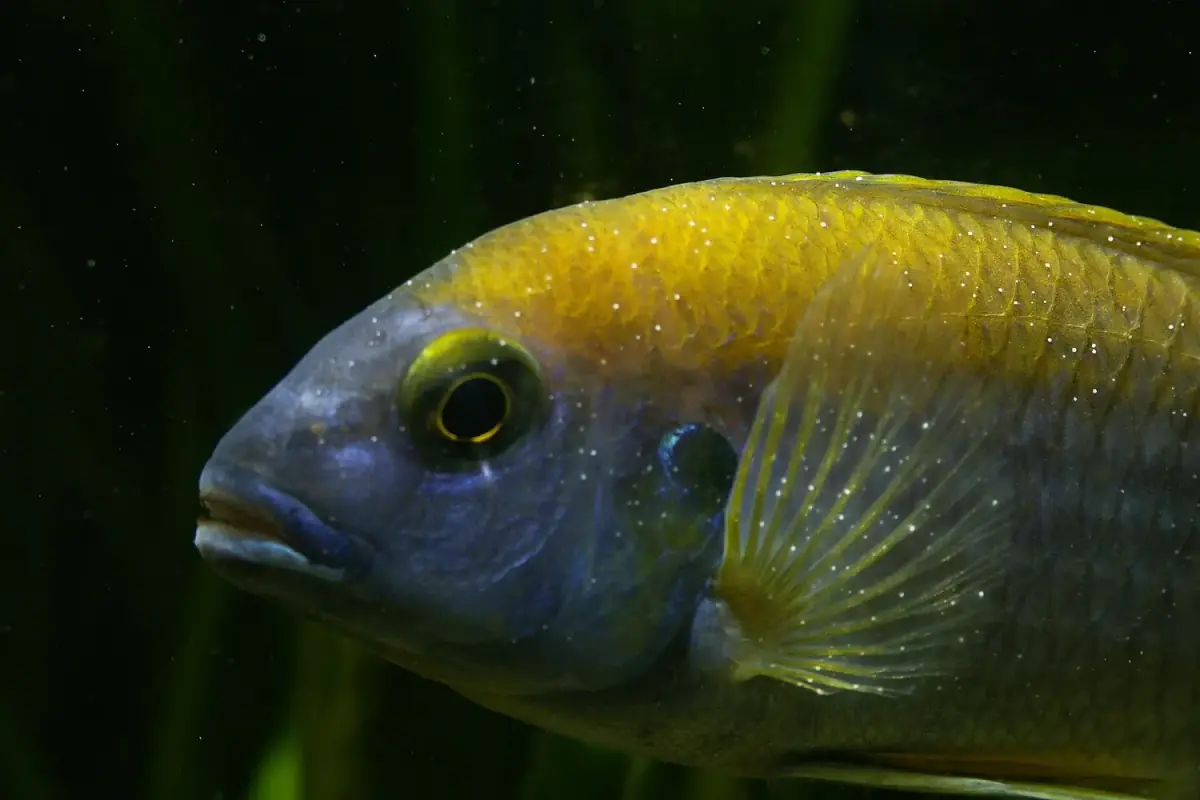
The most common disease in aquarium fish. How to recognize it, why it shows up, and how to get rid of it.
Bacteria that attack the fins, mouth and skin, nearly always after poor water. When water changes are enough, and when more is needed.
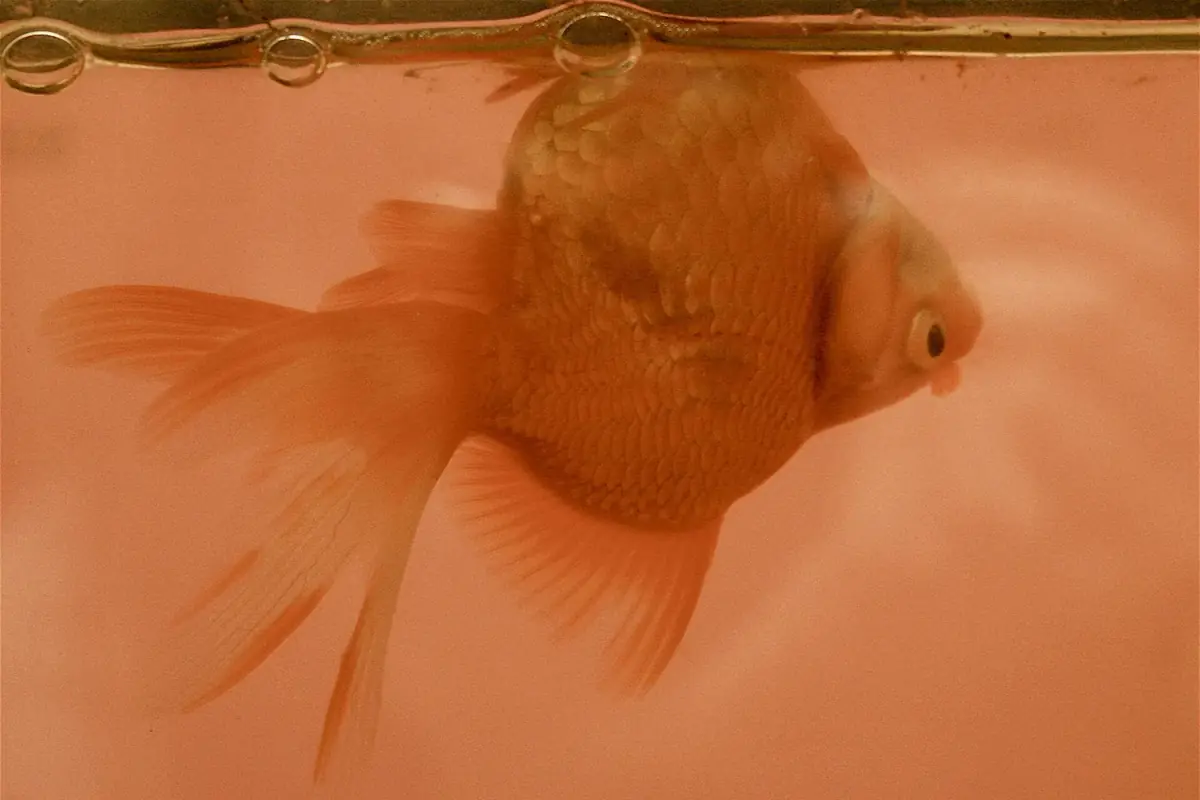
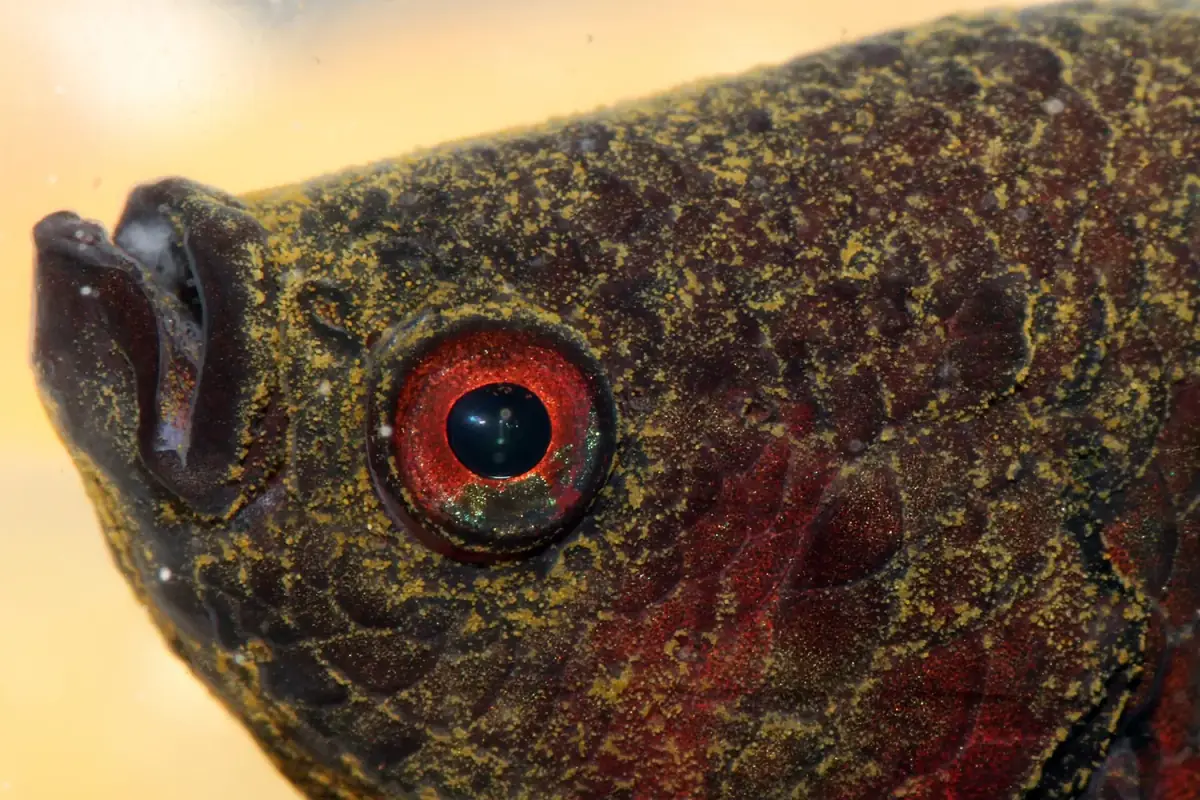
Velvet is a fast-moving parasite. Dropsy is a sign that something is seriously wrong inside the fish. How to recognize them, and what you can do.
When it is right to put a fish down, how to do it quickly and gently as the Norwegian Food Safety Authority describes, and what to do with it afterward.