How to set up a European aquarium
A coldwater aquarium with European fish and plants, without a heater. The water follows the seasons, and summer heat is the biggest problem.
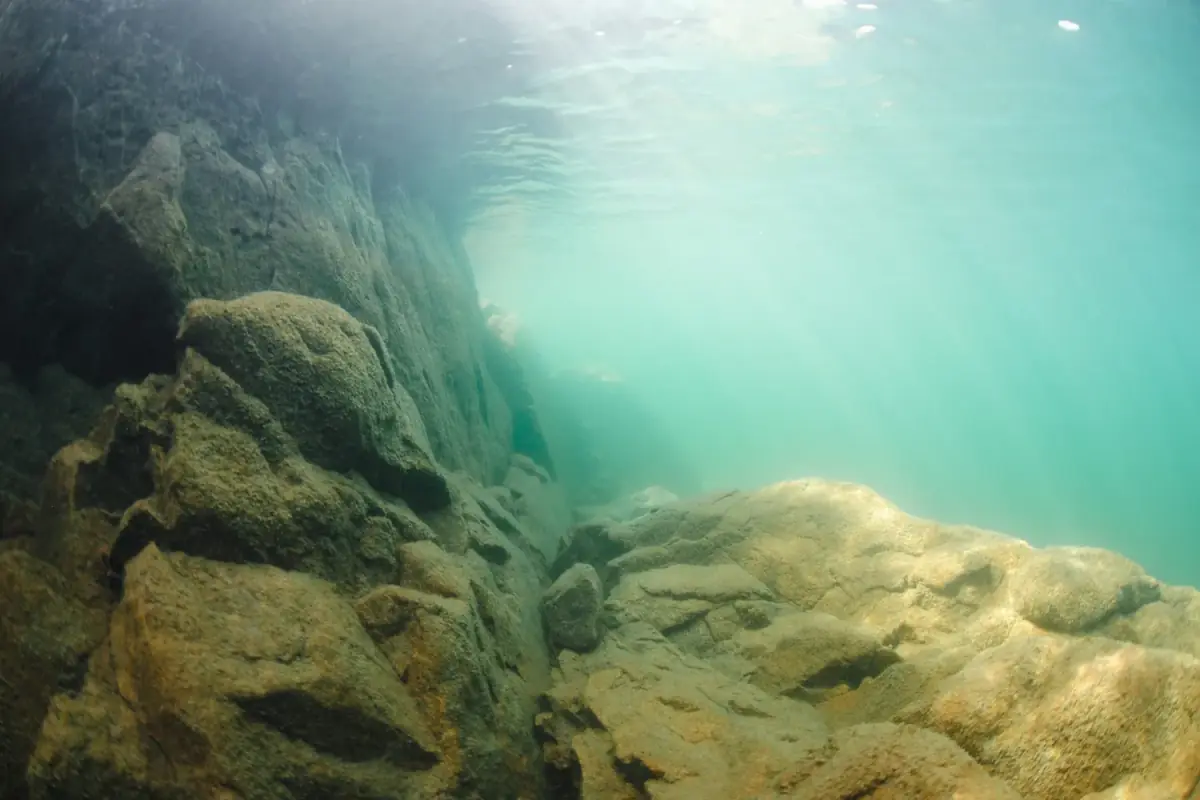
A coldwater aquarium with fish and plants from Europe. No heater: the water should follow the seasons, and the fish need a cool winter. Read more about what a biotope is in Biotope aquariums: a slice of nature.
Water
In nature, these fish live in brooks, small rivers, ponds and still water. The temperature follows the seasons: cold in winter, mild in spring and warm in summer. The aquarium should do the same, without a heater.
Keep the water between 4 and 20 °C all year round. In winter the water can get close to 4 °C, and that does the fish no harm. The upper limit in summer is what takes the most effort.
Regular tropical aquariums are kept at 22–28 °C. That is far too warm for these fish.
In summer, place the aquarium away from windows with direct sun and away from radiators and other heat sources. A fan blowing across the water surface or a few frozen bottles in the water helps during warm spells. Cold water also holds more oxygen than warm water. If the fish hang at the surface, see Fish gasping at the surface.
The goal is a pH around 7–8 and moderately hard water. Tap water varies a lot by region, from very soft to very hard, so check your water supplier's figures or test it before you buy fish. Softer water can work for several of the species. Changing a fifth of the water every week is a good habit. See Water changes: how much and how often.
Bottom
The streams and lakes where these fish live often have sand, silt and gravel, with some rocks and dead wood. The bitterling is found where the water is still or slow-flowing, with dense vegetation and a bottom of sand and silt. That is the bottom to build your aquarium on.
Use sand or fine gravel, ideally a layer of around 5 cm where the mussels can burrow. Coarse gravel is a poor fit: leftover food and waste end up between the stones, which makes cleaning harder. During water changes you can gently vacuum the bottom with a hose, without stirring up the sand more than needed. There is more on choosing a substrate in Substrate and decor.
Decor
In nature, rocks, roots and dead wood give cover. In the aquarium, make several hiding places so the fish can get away from each other. Avoid limestone and shells if you want to keep the hardness down, since they dissolve and raise it.
The bitterling needs mussels. The female has a long egg-laying tube, and she lays her eggs inside a mussel. The male releases sperm near the mussel, and the fry grow up inside the mussel until they are ready to swim out. Without living mussels nearby, the bitterling does not breed.
Keep a few mussels in the aquarium, with sand to burrow into. If a mussel dies, it lies open and smells. Remove it right away.
Plants
In nature, plants grow densely along the banks and in still water. That is where the fish find cover and food. Hornwort and water milfoil are easy to care for. Hornwort floats freely and does not need roots. Water milfoil and starwort are planted in the substrate, while willow moss can be attached to rocks and roots. More easy choices are in Easy plants for beginners, and care tips in How to care for aquarium plants.
Canadian waterweed is common in stores, but it was introduced to Europe from North America. It grows fast and takes over, so it must not be released into the wild. Never pour aquarium water into streams or lakes either. Releasing plants into the wild often needs a permit; check your local rules.
Live plants give off oxygen and are better than artificial ones.
Light
European fish do not need bright light. Medium light keeps plants in good shape without algae taking over. Eight to ten hours a day is a good starting point, and a regular LED light is enough. Do not leave the aquarium in direct sunlight. There is more on choosing and using light in Lighting: how long and how bright.
If you get green algae, it is often too much light or too much food. See Algae: which kind and what to do.
Typical fish
- Bitterling (Rhodeus amarus) usually grows to around 5 cm, and up to about 11 cm. The male takes on strong colors in the breeding season. Keep several together.
- Eurasian minnow is a small schooling fish that thrives in cold water. It eats small crustaceans and insects.
- Three-spined stickleback (Gasterosteus aculeatus) copes with 4–20 °C. The male turns red when breeding and builds a nest. Two males in a small aquarium may fight, so give them enough room.
Feed small amounts, and only as much as they eat in a couple of minutes. See Feeding: less is more.
Buy captive-bred fish and mussels. In many places it is illegal to take fish and plants from the wild, so check your local rules on catching and keeping native fish. Releasing fish or plants into the wild usually needs a permit too; in Norway, for example, you must apply to the Norwegian Environment Agency unless the species is on its list of species that may be released.
Things to watch out for
- Summer heat is the most common reason coldwater fish die in an aquarium that is otherwise fine. Check the temperature daily during warm spells.
- Do not use a heater. The fish should live through the seasons, and a heater removes exactly what makes the aquarium a biotope.
- Do not mix with tropical fish. They need 22–28 °C and struggle in cold water.
- Frost is a danger. The water can get cold, but it must not freeze. Do not place the aquarium where it can freeze.
- Canadian waterweed and other plants must never end up in the wild, even if they grow well in the aquarium.