Biotope aquariums: a slice of nature
What a biotope aquarium is, how to build one after a particular river or lake, and how the app helps you find species that belong together.
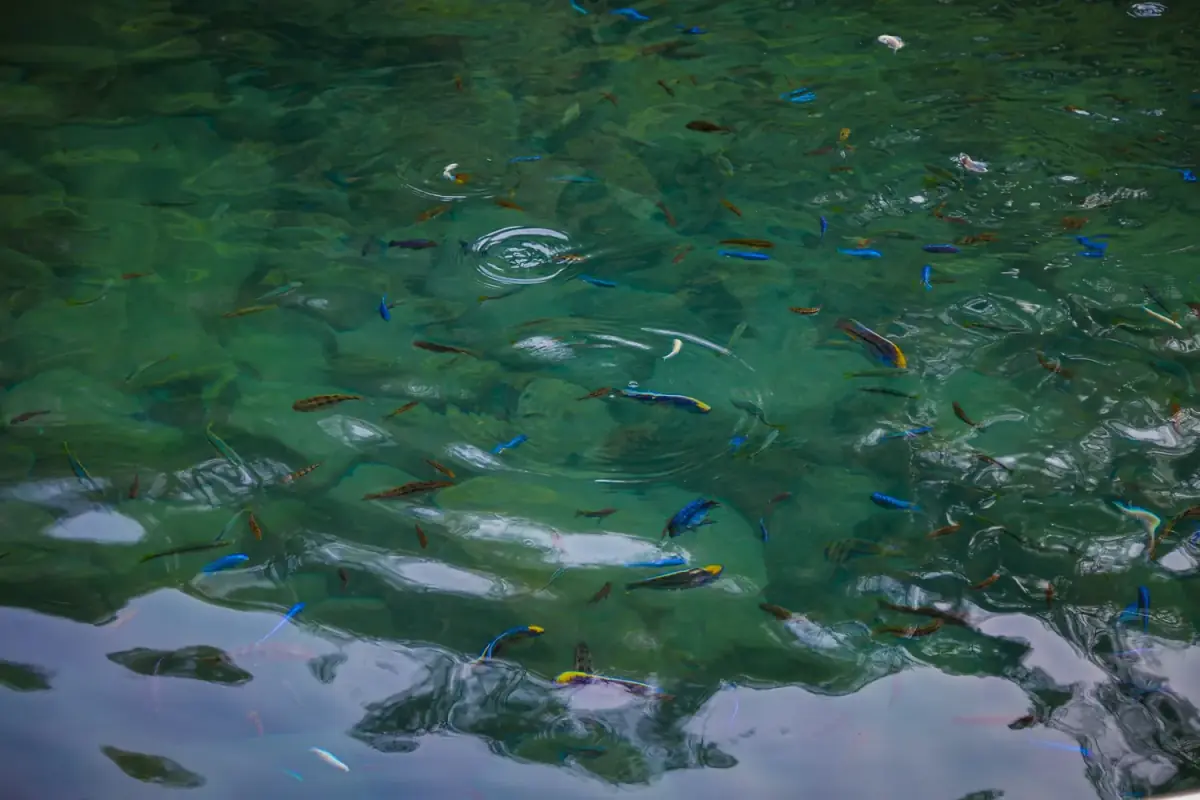
What is a biotope?
A regular aquarium brings together fish and plants from all over the world: a tetra from South America, a barb from Asia and a plant from Africa. It can look lovely, but no such place exists in nature.
A biotope aquarium does the opposite. It starts from one particular place, such as a blackwater stream in the Amazon, a rocky shore in Lake Malawi or a forest stream on Borneo, and tries to show what it looks like underwater. The fish, plants, substrate, decor and water should all belong there.
Why it is worth it
- The fish suit each other. Species from the same place thrive in the same water and temperature, and have lived side by side for a long time.
- The fish behave more naturally. In surroundings that resemble home, with hiding places where they expect to find them, many species become more confident and show more of their natural behavior.
- It becomes a project. Many people find it just as fun to read about the place, find photos and videos from the river and hunt for the right species as to set up the aquarium itself.
A biotope aquarium does not have to be strict. Many people make a "biotope-inspired" aquarium, where the main features are right but a few plants or details are chosen because they are easy to get hold of.
Examples of biotopes
- Amazon blackwater: soft, acidic water stained brown by fallen leaves, a sandy bottom, roots and few plants. Tetras, dwarf cichlids and Corydoras catfish. Suits soft tap water well; if yours is hard, mix it with RO water gradually, testing as you go.
- Lake Malawi: hard, alkaline water, large rock piles and almost no plants. Colorful cichlids, mbuna, that live in and around the rocks. If your tap water is soft, you will need to raise its hardness.
- Southeast Asian forest stream: often soft water, either clear and flowing or brown from the peat swamps in the forest, with gravel, sand, roots and leaves. Rasboras, loaches and small barbs.
- Central American rivers: moderately hard to hard water, rocks and roots, often without plants. Livebearers such as swordtails and platies, or larger cichlids.
Each continent has its own guide: South America, Central America, North America, Africa, Asia, Australia and New Guinea and Europe.
How to get started
- Choose the place. Start with a region or a river that appeals to you, and that suits the water from your tap. See Choose fish that suit your water.
- Find out what it looks like. Look at photos and videos from the place, ideally underwater shots. Is the water flowing or still? Sand, gravel or rock? Leaves and roots? Bright or shaded?
- Choose species that live there. Read up on each species, and check that they suit each other in size and temperament. See Fish that get along.
- Build the decor. Substrate, rocks and roots first. See Substrate and decor.
- Cycle the aquarium as usual, before the fish arrive. See Cycling: the nitrogen cycle explained.
The app helps you
The species profiles in the app tell you where each species lives, and the map shows the countries it is found in. That makes it easier to find species from the same area, and to see whether the fish you want actually belong together. The harmony mark shows whether they suit each other in temperament, and the aquarium's assessment whether they thrive in the same water.
Things to watch out for
- Fallen leaves and roots stain the water brown and can lower the pH. That is what you want in a blackwater biotope, but not in one from Lake Malawi.
- Do not collect rocks, sand or leaves from nature without knowing what they are. Limestone changes the water, and leaves and roots can bring in things you do not want. Buy dried leaves and roots made for aquariums instead.
- Some biotopes have few or no plants. Then the filter and water changes have to do more of the work of keeping the water clean.
- Wild fish and bred forms can have different needs. Color varieties from fish farms are often more tolerant than their wild relatives.