Fish gasping at the surface
When your fish hang at the surface gulping for air: the most common causes, and what to do right away.
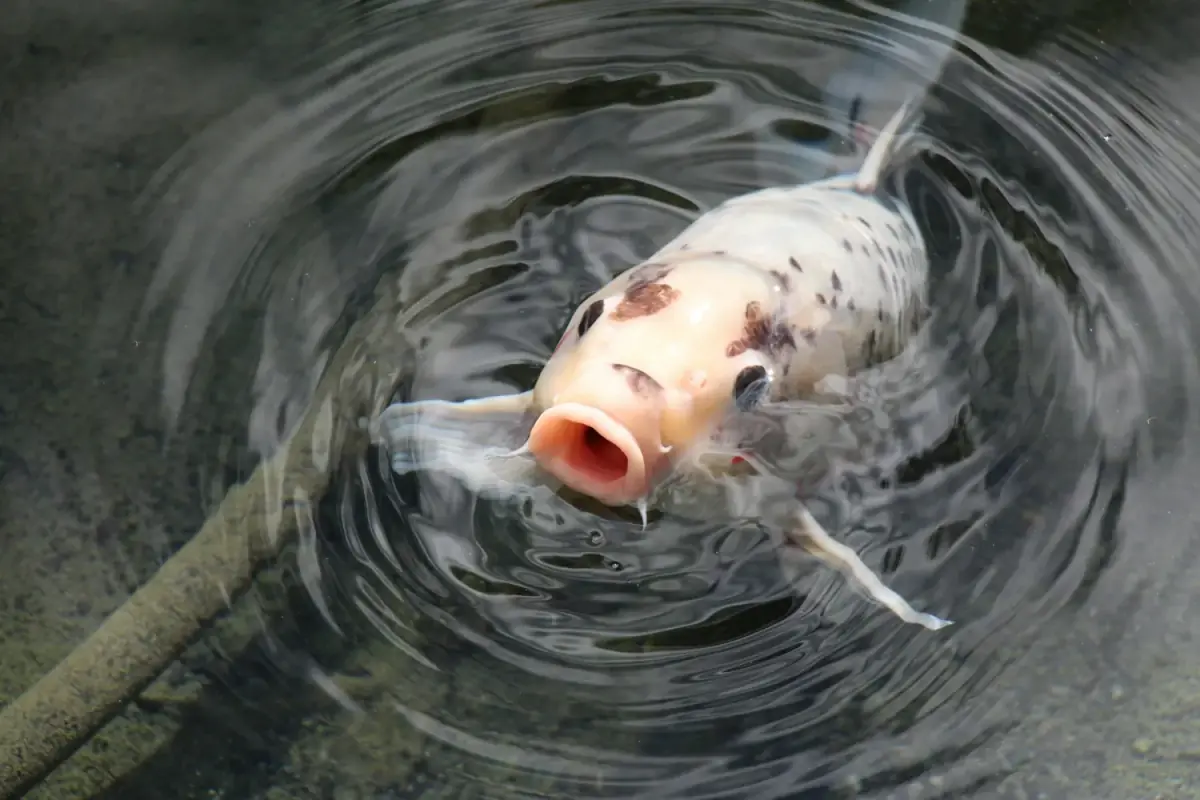
This is an emergency
Fish hanging at the surface and gulping for air, especially many at once, are in distress. There's often no time to wait and see. Act right away, and find the cause afterward.
Some fish are exceptions. Labyrinth fish such as bettas and gouramis breathe air from the surface as a normal part of life, and Corydoras catfish dart up for a gulp of air now and then. That's normal. What isn't normal is a fish that usually stays low suddenly hanging at the surface.
Do this now
- Change a third to half of the water, with water conditioner and at the same temperature as the tank. That adds fresh oxygen and dilutes anything that might be toxic.
- Get the surface moving. Point the filter outlet up toward the surface, or add an air stone. Oxygen enters the water where the surface moves.
- Check the temperature. If it's above 28–30 °C, see the section on heat below.
- Don't feed until the fish have recovered.
Then test the water to find the cause.
Too little oxygen
The warmer the water, the less oxygen it holds. Oxygen enters from the air through the surface, and needs movement to spread through the water. Low oxygen is most often caused by:
- Too little water movement. A clogged filter, or an outlet that doesn't stir the surface.
- High temperature. A hot summer day, sunlight on the tank, or a heater that gets stuck on.
- Too many fish for the tank.
- A lot of decay. Leftover food, dead plants or a dead fish use up oxygen as they break down.
- At night in a heavily planted tank. Plants make oxygen in the light but use it in the dark. If the fish gasp in the morning, this may be why.
- Medications. Some, such as formalin, can lower the oxygen in the water.
Ammonia or nitrite
Ammonia damages the gills, and nitrite stops the blood from carrying oxygen. Both make fish act as if there's too little oxygen, even when there's enough in the water.
Test for ammonia and nitrite. If either is above 0, that's probably the cause. It happens most often:
- In a new tank that hasn't finished cycling. See Cycling: the nitrogen cycle explained.
- After adding many new fish at once.
- After the filter has been cleaned in tap water or too thoroughly. See Cleaning the filter.
- With overfeeding, or when a dead fish is lying hidden.
Change water every day, feed lightly, and keep going until ammonia and nitrite stay at 0.
Heat
A hot summer can make a tank dangerously warm, especially a small one. Cool it down slowly, a couple of degrees at a time:
- Take off the lid and let a fan blow across the surface.
- Turn off the light, which also gives off heat.
- Float a sealed bottle of ice in the water, or change some water with water a few degrees cooler.
- Check the heater. If it's on when it shouldn't be, it may be broken.
Don't cool it down suddenly. A rapid temperature change is stressful for fish too.
Gill disease
Parasites and bacteria on the gills also cause rapid breathing. If the water is fine, oxygen is good, and only one or a few fish are gasping, it may be disease. Look for other signs, such as spots, slime or red gills, and read Sick fish: how to spot it and what to do first.
Once the fish have recovered
Find out what happened, so it doesn't happen again. Log the values you measured in the app, so you have them next time. A filter that keeps the surface moving, regular water changes and careful feeding prevent most of it.