Sick fish: how to spot it and what to do first
The signs that a fish is not doing well, why you always test the water first, and what to do before you buy medicine.
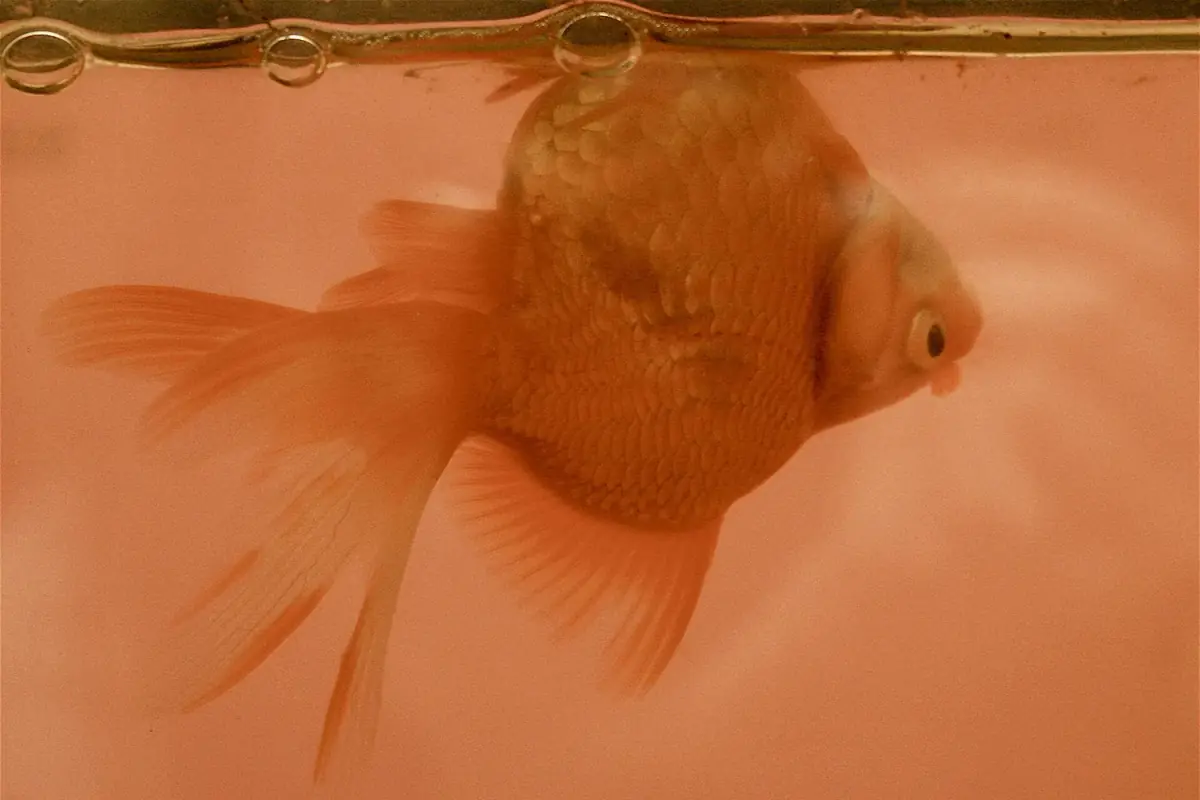
Know your fish
The best thing you can do to catch disease early is to look at your fish every day, for example when you feed them. That way you know how they usually behave, and you quickly notice when something is different.
The Norwegian Food Safety Authority (Mattilsynet) writes that fish that seem listless, swim in an unnatural way or show no interest in food should be watched especially closely for signs of disease or injury.
Signs that something is wrong
In how it behaves:
- not eating, or spitting the food back out
- hiding more than usual, or keeping to itself
- hanging at the surface or lying on the bottom
- swimming oddly: tilted, in jerks or on the spot
- rubbing itself against rocks and plants
- breathing fast
On its body:
- fins clamped to the body
- white spots, a film or cottony tufts
- ragged or red fins
- sores, red patches or injuries
- a swollen belly or scales sticking out
- bulging eyes, or cloudy eyes
Mattilsynet writes that clamped fins, damage to fins and body, and fungal infections are signs that the fish are not thriving, or that the water quality is poor.
Test the water first
A lot of disease in aquarium fish starts with stress, and the most common stress is poor water. Before you go looking for a disease, test the water:
- Ammonia and nitrite should be 0.
- Nitrate should be low, ideally under 20 mg/l.
- Temperature and pH should suit the species you keep.
If any of these are off, that is probably the cause, or at least what made the fish sick. See How to test your water. Log the values in the app, and you will see whether something has changed over time.
What to do first
- Do a water change. Mattilsynet writes that it often helps to change some of the water and check that the temperature is right. A third is a good place to start.
- Check the temperature. A heater that has stopped working is a common cause.
- Remove anything rotting. Leftover food, dead plants, and dead fish as soon as you see them.
- Feed lightly while the fish are sick.
- Move sick fish to a tank of their own, if you have one, so they do not infect the others and can be treated separately.
Often this is enough. A fish suffering from poor water can recover within a few days once the water is good again.
When you need medicine
If the water is fine and the fish is still sick, or you see clear signs of a known disease, medicine may be needed.
- Find out what it is before you treat. Medicine for the wrong disease does not help and stresses the fish even more.
- Follow the instructions carefully, and ask at a fish store if you are unsure. Mattilsynet also points to the store for advice.
- Take activated carbon out of the filter, or it will remove the medicine.
- Watch out for shrimp and snails. Many medicines are toxic to them.
The most common diseases have articles of their own:
- Ich (white spot): white spots like grains of salt
- Fin rot and columnaris: ragged fins and white tufts
- Velvet and dropsy: golden dust, or a swollen belly with scales sticking out
When the fish does not recover
Sometimes a fish does not get better. Mattilsynet writes that a seriously sick or injured fish must be put down in a quick and painless way. Read When a fish has to be put down for how it is done.
Prevention
Mattilsynet reminds us that it is easier to prevent disease with good care and good water quality than to medicate sick fish. Regular water changes, careful feeding, not too many fish, and Quarantine for new fish make most diseases rare.