Fishless cycling
Step by step: how to cycle a new tank before the fish move in, how long it takes, and how to speed it up.
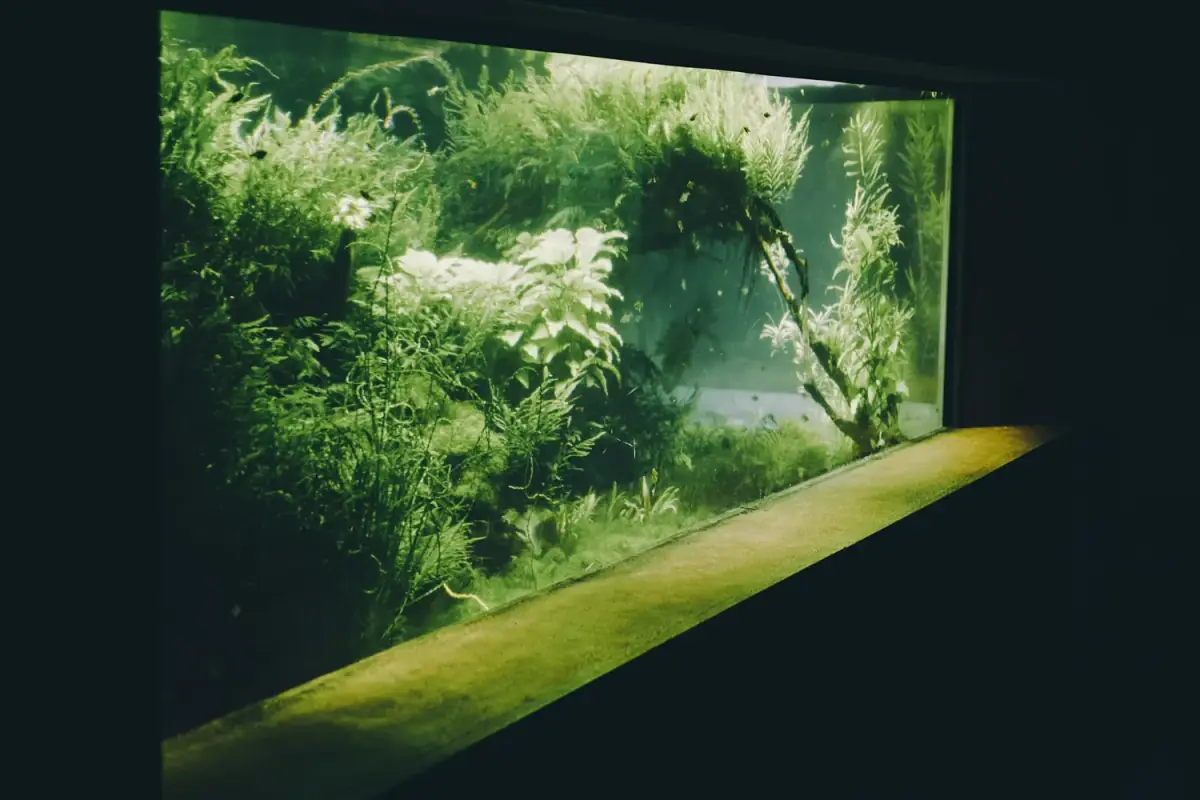
Why without fish
A new tank lacks the bacteria that turn ammonia into nitrite and nitrate. Until there are enough of them, toxins build up, and any fish in the water get hurt. Read Cycling: the nitrogen cycle explained for how it all fits together.
Many people used to cycle their tanks with a few hardy fish. It works, but the fish live in poor water for weeks. The Norwegian Food Safety Authority (Mattilsynet) writes that the best option is to get sludge from the filter of an established tank, and that otherwise fishless cycling is recommended, even though it takes somewhat longer.
What you need
- A tank that is set up, with substrate, filter and heater running
- An ammonia source: pure ammonia made for cycling, or fish food. If you use ammonia from a store, it must be pure, with no perfume, soap or other additives.
- Test kits for ammonia, nitrite and nitrate, preferably liquid tests
- Patience
You can add plants right away. Easy plants handle cycling just fine, and they take up some of the waste.
Step by step
- Fill the tank and use water conditioner as usual. Start the filter and the heater. Bacteria grow faster in warm water, so feel free to turn the heat up a little, but no more than 2–3 degrees above what your fish will need.
- Add ammonia. Follow the directions on the bottle. A common target is around 2 mg/l. If you use food, sprinkle in a pinch every day and let it rot.
- Test the water twice a week and log the readings, so you can see the curve.
- Keep the bacteria fed. When ammonia starts to fall, add more, so there's always something for them to feed on.
- Wait for nitrite. After one to two weeks, nitrite starts to rise. That means the first group of bacteria is in place.
- Wait for nitrite to fall. This is often the longest part. When it falls and nitrate rises, the second group is up and running too.
Pure ammonia is easier to control than food, because you know how much you're adding. Food works, but it's messier and can cause fungus and cloudy water.
When is it done?
The tank is cycled when the bacteria can handle all the ammonia you give them. A common test:
- add the usual amount of ammonia
- test after 24 hours
- if both ammonia and nitrite are 0, and nitrate is rising, the tank is ready
Then do a large water change, half or more, so nitrate is low when the fish arrive. Add the fish within a couple of days, or keep adding ammonia until they come, so the bacteria don't starve. Read How to add new fish.
How to speed it up
- Filter sludge or filter media from an established tank is the best. It's full of the right bacteria. Ask a friend, a club or the fish store. Take it from a tank you know is healthy.
- Bottled bacteria can help, but results vary a lot between products.
- Heat makes the bacteria grow faster, but stay within 2–3 degrees above what the fish will need, so the bacteria can handle the change when you turn it down.
- Don't clean the filter during cycling. That's where the bacteria live.
When it stalls
If cycling stalls for several weeks, especially with nitrite that won't come down, it's often the water:
- Low pH and KH. The bacteria do best at a pH around 7 and need carbonate to work. Tap water varies a lot by region, and if yours is soft, KH may be low from the start. If KH drops toward 1 °dH, things often slow down noticeably. A water change brings in fresh carbonate.
- Too much ammonia. Very high levels can slow the bacteria down. Do a water change and add less.
- Chlorine. If you forgot the water conditioner during a water change, it can set the bacteria back.
Give it time. There's no reason to stress, as long as there are no fish in the tank.