Freshwater
Barbel
Barbus barbus
Cyprinidae, Barbinae
Barbus barbus
Cyprinidae, Barbinae
Know what is missing? Sign up and suggest it in the app.
Know what is missing? Sign up and suggest it in the app.
Worked out from its length, as we don’t yet know what size tank it should have. Do you? Sign up and tell us in the app.
Try other measures in the appLives wild in Andorra, Austria, Belarus, Belgium, Bosnia & Herzegovina, Bulgaria, China, Croatia, and 23 more countries.
Introduced to Morocco.
Inhabits from premontane to lowland reaches of clear, warm, medium sized to large rivers with fast current and gravel bottom. Occasionally found in lakes. Frequently overwinters in large group, inactive or active in slow-flowing river habitats. Adults often form shoal, hiding under overhanging trees or bridges during the day. Adults are encountered most active during dusk and dawn while larvae and juveniles are active during both day and night. Larvae and juvenile stay on the bottom in very shallow shoreline habitats and leave the shores for faster-flowing waters as they grow. Lives in the deeper, faster-flowing upper reaches of rivers with stony or gravel bottom (barbel zones). Feeds chiefly on benthic invertebrates, such as small crustaceans, insect larvae, mollusks, mayfly and midge larvae and also on small fish and sometimes algae. Spawns usually in very shallow, fast-flowing riffles. Spawning occurs from May to July after the fish have migrated upriver. Eggs are poisonous. Locally threatened due to water pollution and river regulation, especially in Baltic drainages, Elbe, South Bug and Dniepr, and heavily impacted by pollution in central Europe but recovering. Population has declined sharply due to construction of large reservoirs and pollution during 20th century and has stabilized at a moderate level since then.
Source: FishBase
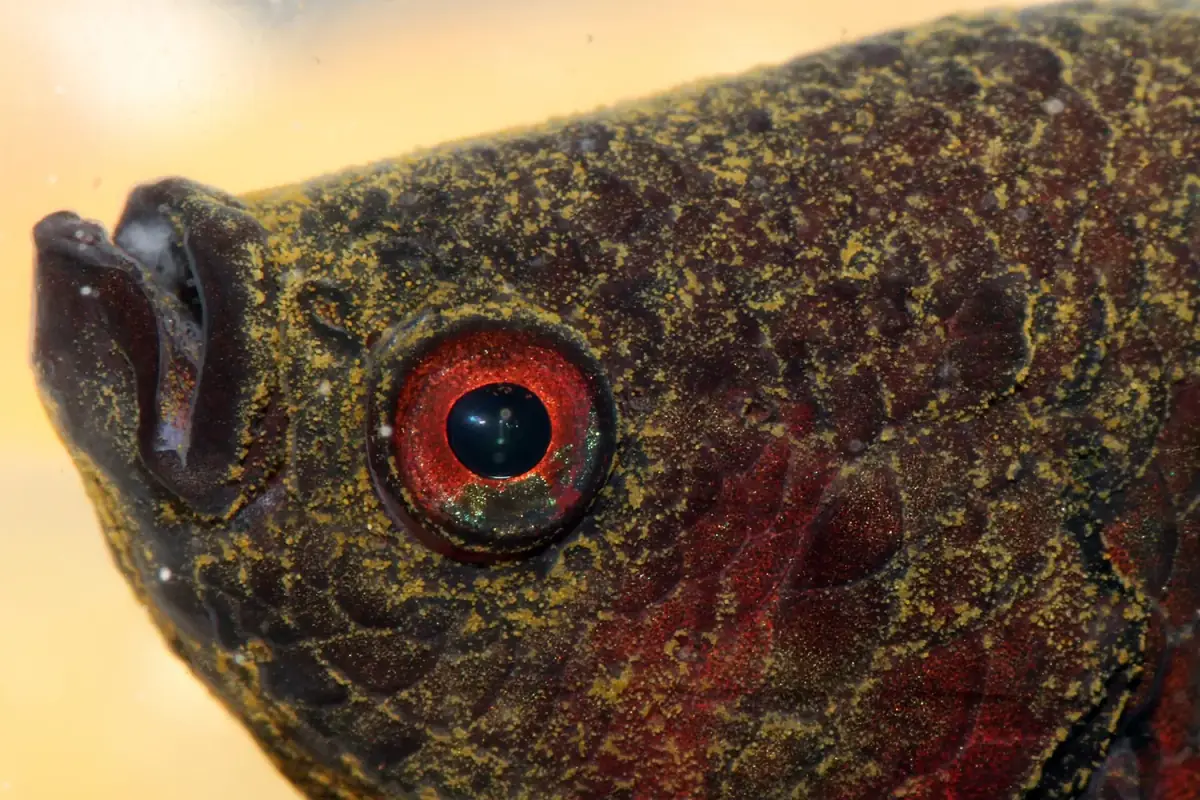
Velvet is a fast-moving parasite. Dropsy is a sign that something is seriously wrong inside the fish. How to recognize them, and what you can do.
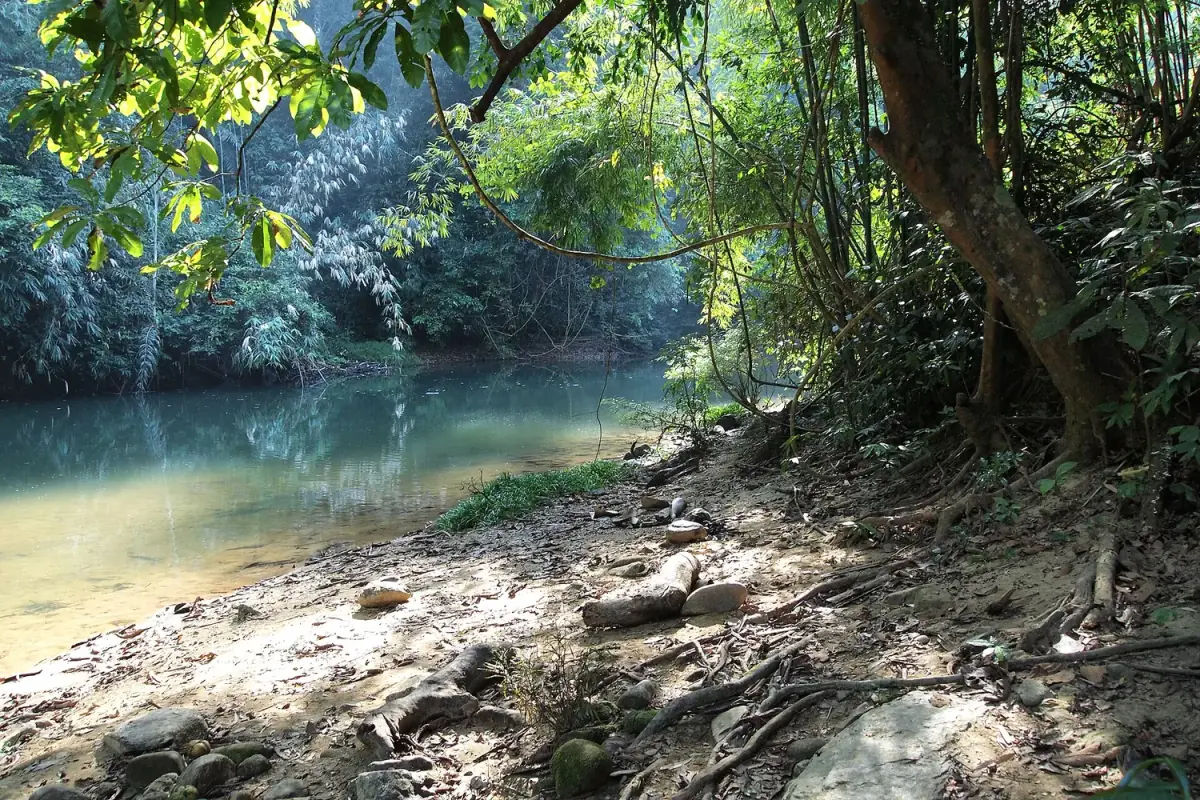
Two aquariums from Southeast Asia: calm forest streams and peat swamps with soft, brown water, and fast mountain streams with cool, oxygen-rich water.
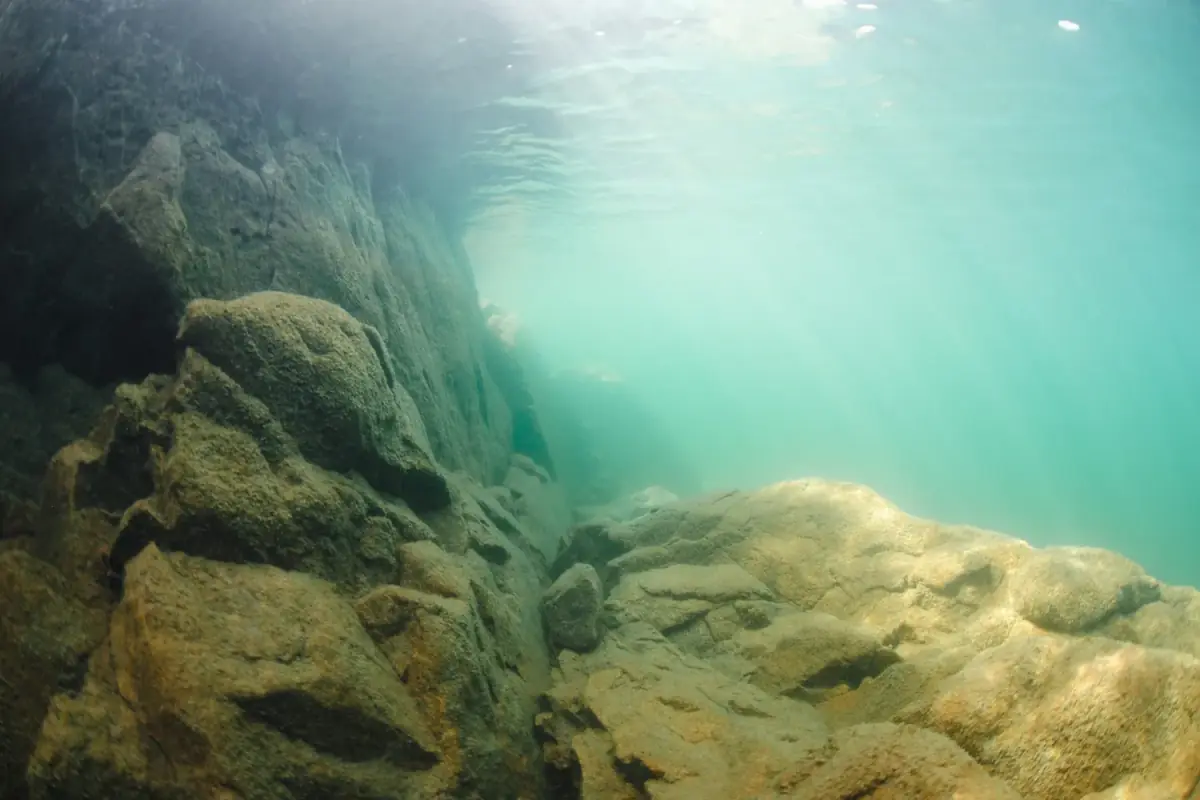
A coldwater aquarium with European fish and plants, without a heater. The water follows the seasons, and summer heat is the biggest problem.
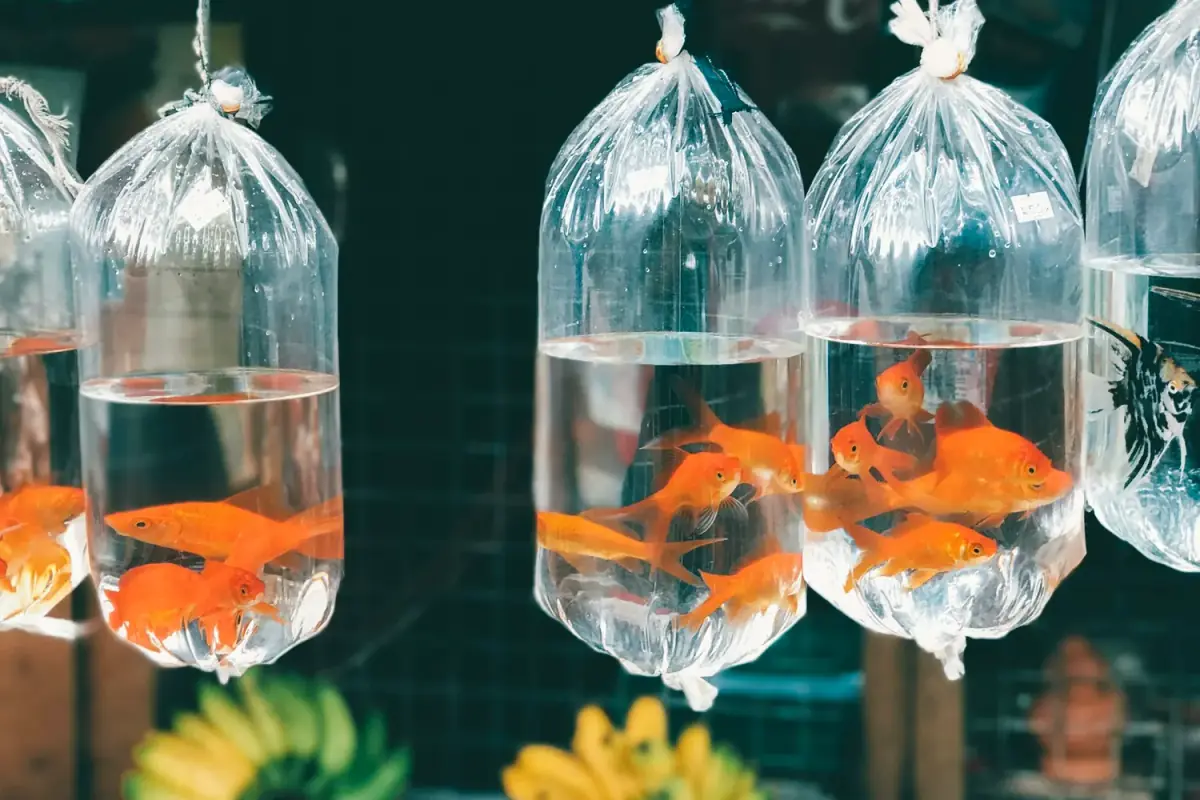
From the store to the tank: how to get the fish used to your water, why you should add only a few at a time, and what to watch for in the first few days.