Freshwater
Midas cichlid
Amphilophus citrinellus
Cichlidae, Cichlasomatinae
Amphilophus citrinellus
Cichlidae, Cichlasomatinae
Know what is missing? Sign up and suggest it in the app.
Know what is missing? Sign up and suggest it in the app.
Worked out from its length, as we don’t yet know what size tank it should have. Do you? Sign up and tell us in the app.
Try other measures in the appLives wild in Costa Rica and Nicaragua.
Introduced to Hong Kong SAR China, Puerto Rico, Singapore, Taiwan, and United States.
Lives in box-cut canals with rocky vertical sides, crevices used for spawning and protection of the young. Found in lakes; uncommon in the rivers but will penetrate the lower river valleys where the water is slow flowing or tranquil. Omnivorous, eating mostly aufwuchs, snails and small fishes; also feeds on insect larvae, worms and other bottom-dwelling organisms. Majority of this fish has normal cryptic coloration (black, gray or brown), matching the substrate for camouflage and survival purposes. About 10 % of this species is xanthomorphic, undergoing a color metamorphosis at varying stages of growth. An experimental fish being used for behavioral studies.
Source: FishBase
Hard, alkaline water, sand and rock: an aquarium from the rivers and lakes of Mexico and Central America, with cichlids and livebearers.
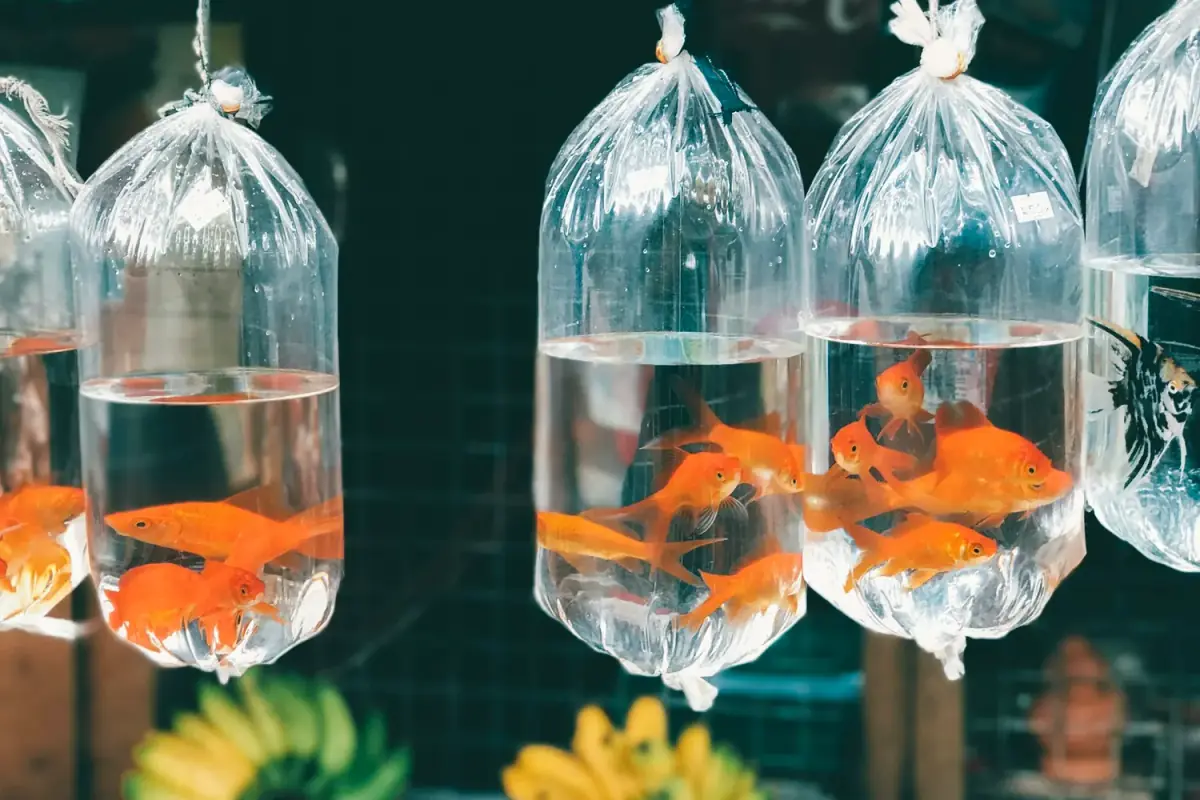
From the store to the tank: how to get the fish used to your water, why you should add only a few at a time, and what to watch for in the first few days.
Why new fish should live in a tank of their own for a few weeks before they move in, what you need, and what to look for.
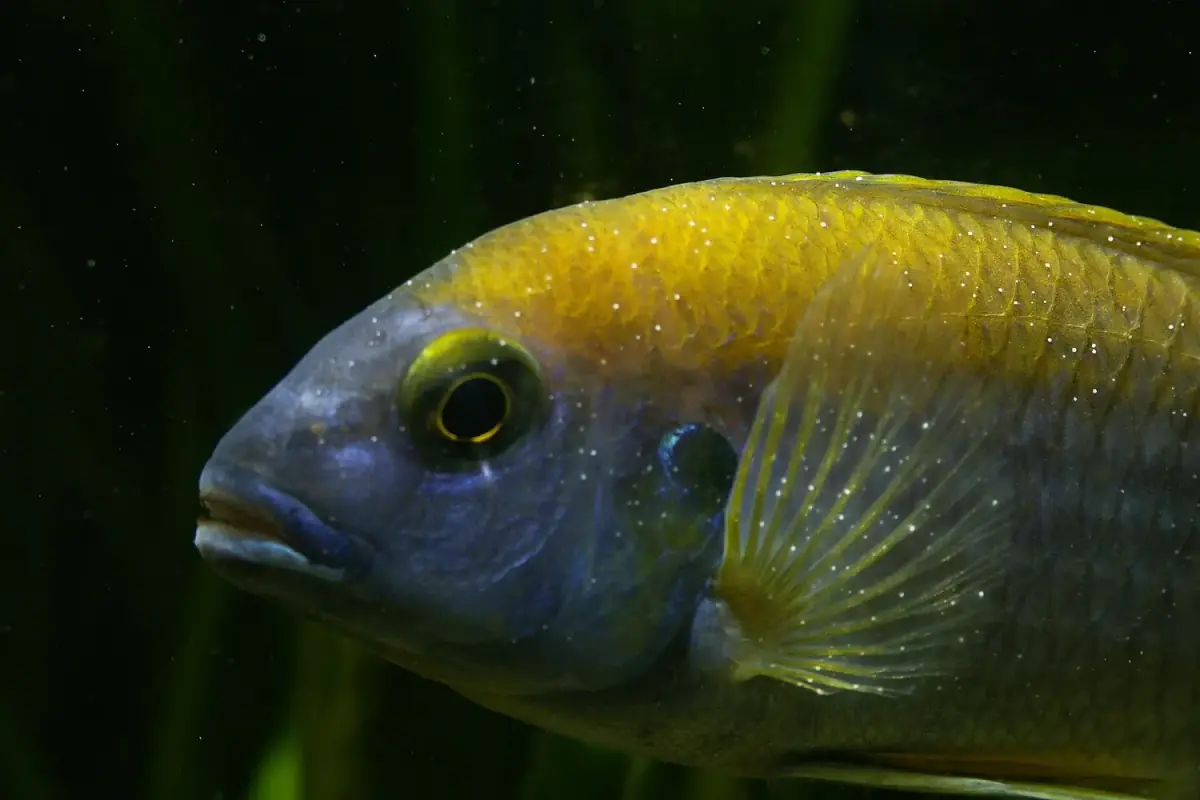
The most common disease in aquarium fish. How to recognize it, why it shows up, and how to get rid of it.