Ferskvand
Rød djævlecichlide
Amphilophus citrinellus
Cichlidae, Cichlasomatinae
Amphilophus citrinellus
Cichlidae, Cichlasomatinae
Ved du det, der mangler? Tilmeld dig og foreslå det i appen.
Ved du det, der mangler? Tilmeld dig og foreslå det i appen.
Beregnet ud fra længden, for vi ved endnu ikke, hvor stort et akvarium arten bør have. Ved du det? Opret dig og fortæl os det i appen.
Prøv andre mål i appenLever vildt i Costa Rica og Nicaragua.
Udsat i Puerto Rico, SAR Hongkong, Singapore, Taiwan og USA.
Lives in box-cut canals with rocky vertical sides, crevices used for spawning and protection of the young. Found in lakes; uncommon in the rivers but will penetrate the lower river valleys where the water is slow flowing or tranquil. Omnivorous, eating mostly aufwuchs, snails and small fishes; also feeds on insect larvae, worms and other bottom-dwelling organisms. Majority of this fish has normal cryptic coloration (black, gray or brown), matching the substrate for camouflage and survival purposes. About 10 % of this species is xanthomorphic, undergoing a color metamorphosis at varying stages of growth. An experimental fish being used for behavioral studies.
Kilde: FishBase
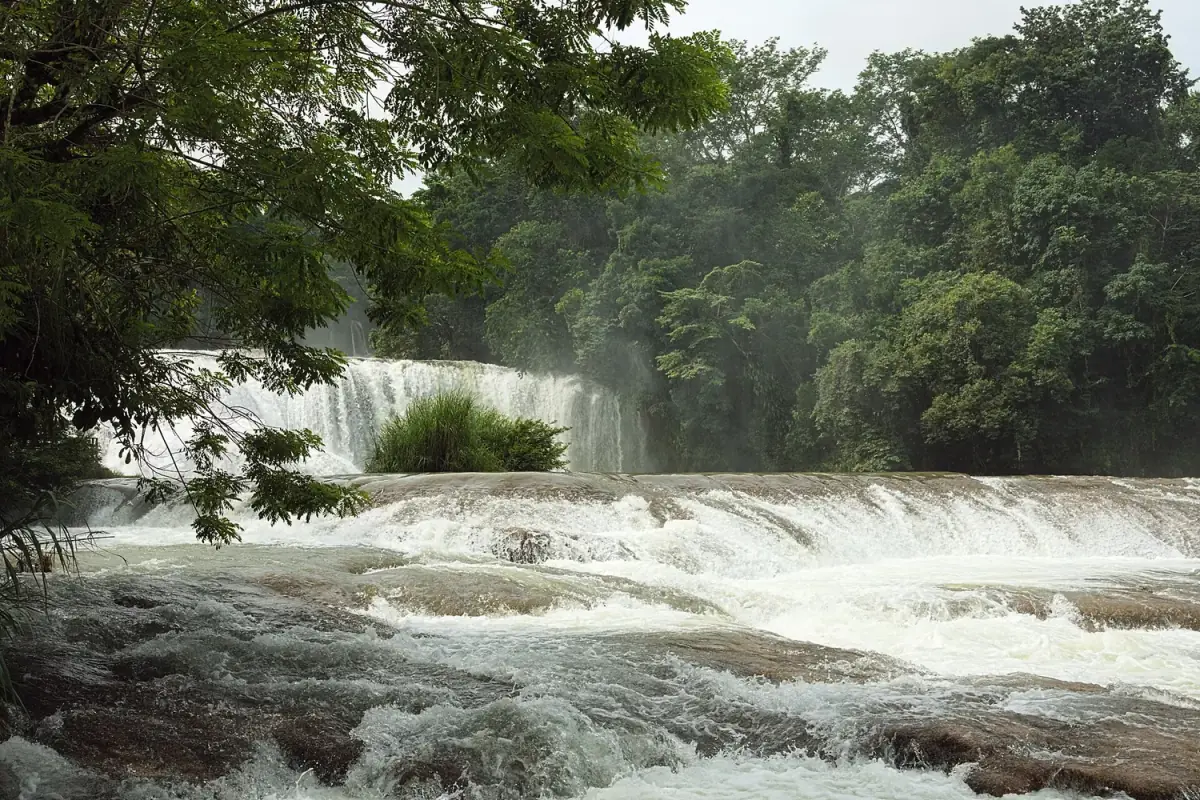
Hårdt, basisk vand, sand og sten: et akvarium fra floderne og søerne i Mexico og Mellemamerika, med cichlider og levendefødende fisk.
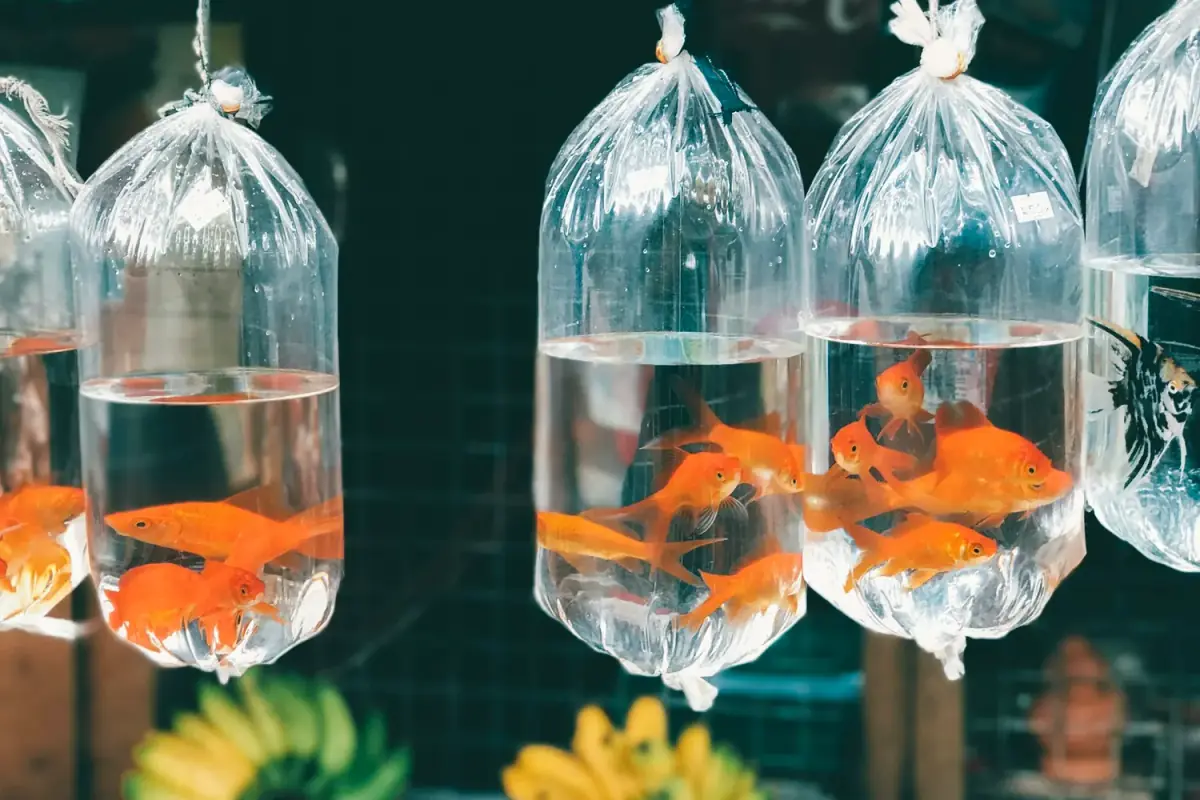
Fra butikken til akvariet: hvordan du vænner fisken til vandet, hvorfor du bør sætte få ind ad gangen, og hvad du skal holde øje med de første dage.
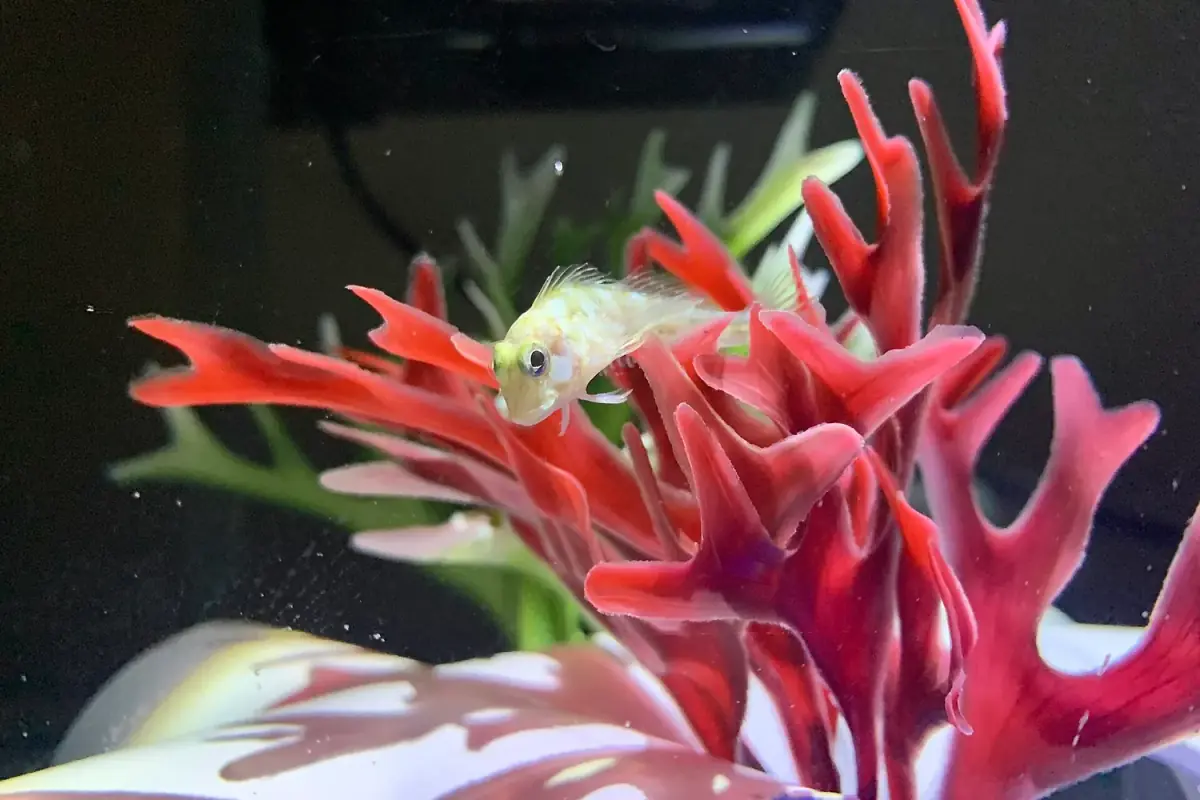
Hvorfor nye fisk bør bo i et kar for sig selv i nogle uger, før de flytter ind, hvad du har brug for, og hvad du skal holde øje med.
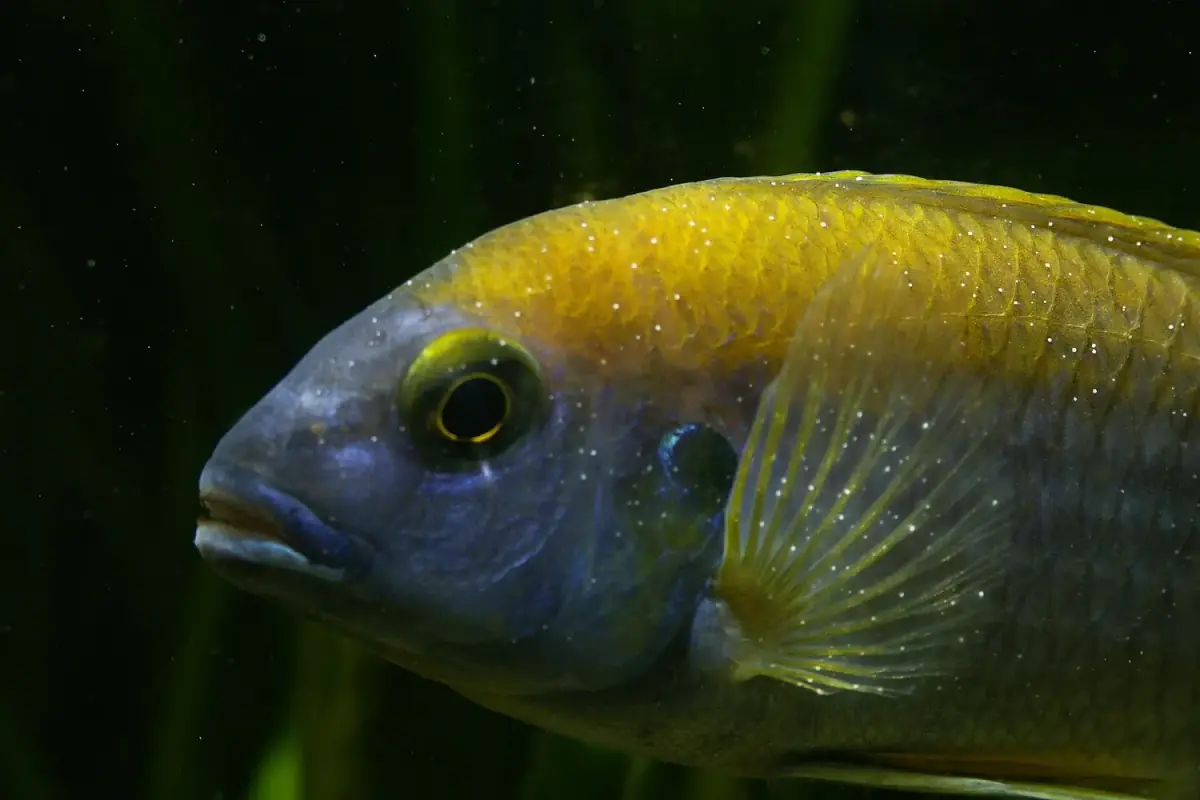
Den mest almindelige sygdom hos akvariefisk. Sådan genkender du den, hvorfor den kommer, og hvordan du slipper af med den.