Saltwater
Orangespot surgeonfish
Acanthurus olivaceus
Acanthuridae, Acanthurinae
Acanthurus olivaceus
Acanthuridae, Acanthurinae
Know what is missing? Sign up and suggest it in the app.
Know what is missing? Sign up and suggest it in the app.
Worked out from its length, as we don’t yet know what size tank it should have. Do you? Sign up and tell us in the app.
Try other measures in the appLives wild in American Samoa, Australia, China, Christmas Island, Cocos (Keeling) Islands, Cook Islands, Fiji, France, and 25 more countries.
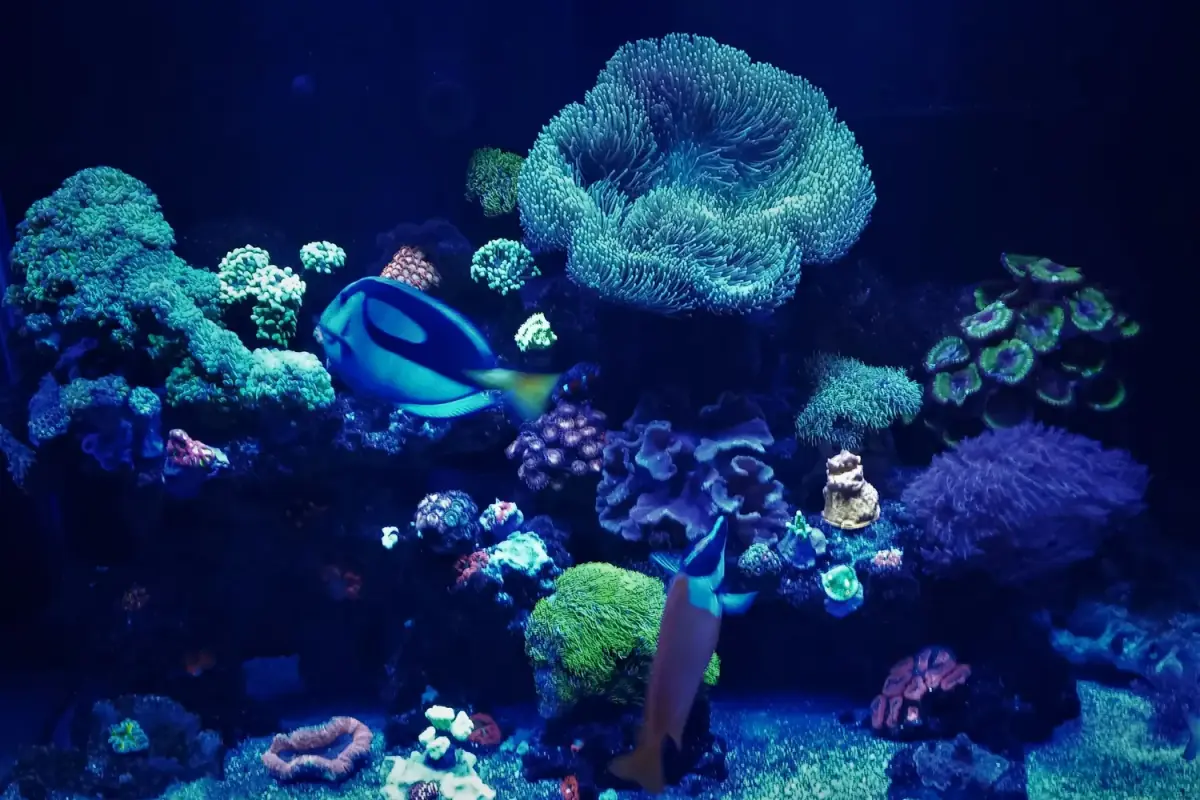
Inhabit seaward reefs, in areas of bare rock or mixed rubble and sand, from 9 to at least 46 m depth; juveniles inhabit protected bays and lagoons, singly or in small groups in as little as 3 m. Benthopelagic. Adults occur singly or in schools and feed on surface film of detritus, diatoms, and fine filamentous algae covering sand and bare rock. Rarely poisonous.
Source: FishBase
From the store to the tank: how to get the fish used to your water, why you should add only a few at a time, and what to watch for in the first few days.
Why new fish should live in a tank of their own for a few weeks before they move in, what you need, and what to look for.
What is different in a saltwater aquarium: salt, refractometer, live rock and corals. An introduction for anyone thinking of giving it a try.