Saltwater
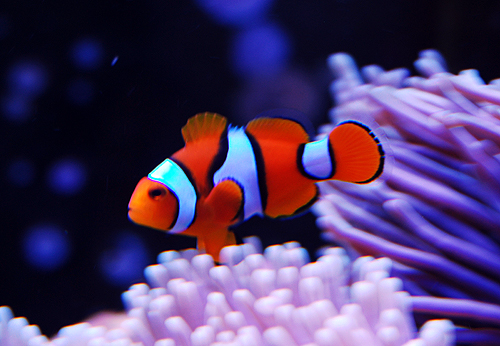
Orange clownfish
Amphiprion percula
Pomacentridae, Pomacentrinae
Amphiprion percula
Pomacentridae, Pomacentrinae
Know what is missing? Sign up and suggest it in the app.
Know what is missing? Sign up and suggest it in the app.
Worked out from its length, as we don’t yet know what size tank it should have. Do you? Sign up and tell us in the app.
Try other measures in the appLives wild in Admiralty Is., Australia, Bangladesh, China, Hong Kong SAR China, Indonesia, Papua New Guinea, Philippines, and 2 more countries.
Adults inhabit lagoon and seaward reefs. Each group of fish consists of a breeding pair and 0-4 non-breeders. Within each group there is a size-based hierarchy: the female is largest, the male is second largest, and the non-breeders get progressively smaller as the hierarchy is descended. If the female dies, the male changes sex and becomes the breeding female, while the largest non-breeder becomes the breeding male. The maintenance of size differences may avoid conflicts, because subordinates do not become a threat to their dominants. Oviparous, distinct pairing during breeding. Eggs are demersal and adhere to the substrate. Males guard and aerate the eggs. Maybe found in shallower depths than A. ocellaris. Associated with the anemones: Heteractis crispa, Heteractis magnifica, and Stichodactyla gigantea. This species has been reared in captivity.
Source: FishBase
From the store to the tank: how to get the fish used to your water, why you should add only a few at a time, and what to watch for in the first few days.
Why new fish should live in a tank of their own for a few weeks before they move in, what you need, and what to look for.
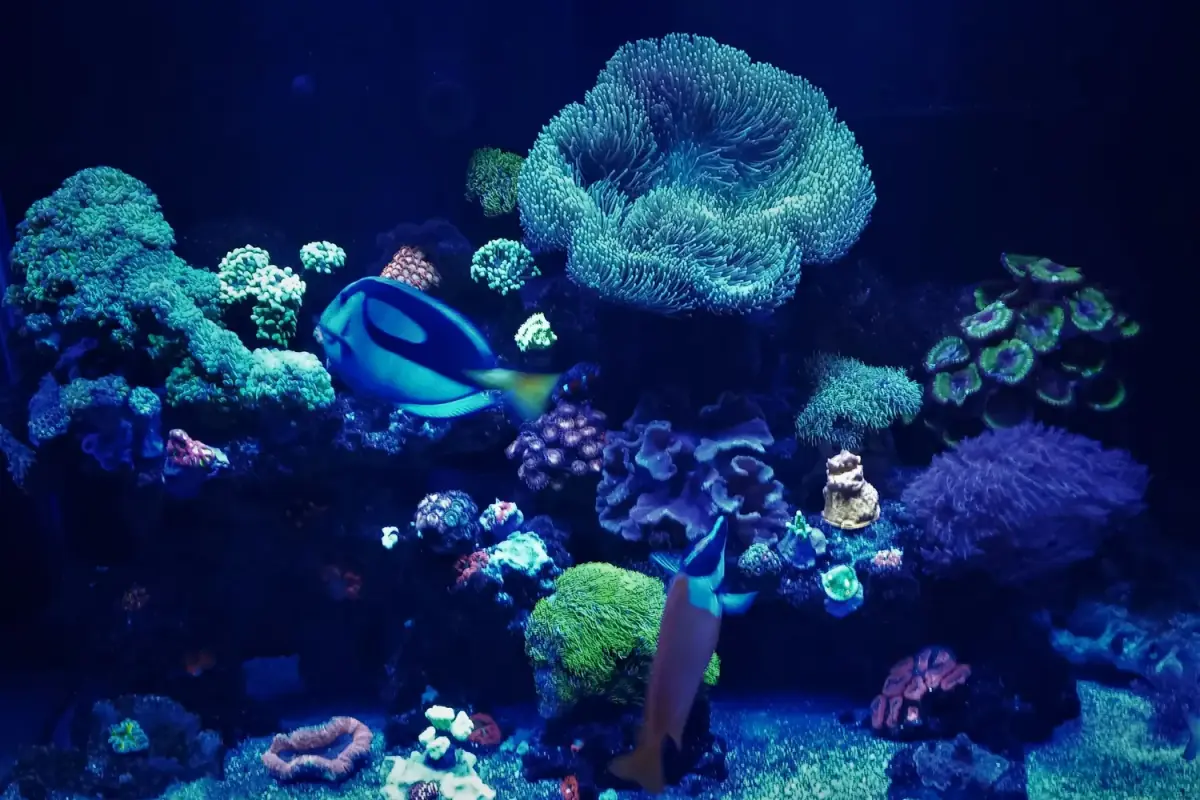
What is different in a saltwater aquarium: salt, refractometer, live rock and corals. An introduction for anyone thinking of giving it a try.