Freshwater
Malabar danio
Devario malabaricus
Danionidae, Danioninae
Devario malabaricus
Danionidae, Danioninae
Know what is missing? Sign up and suggest it in the app.
Know what is missing? Sign up and suggest it in the app.
Worked out from its length, as we don’t yet know what size tank it should have. Do you? Sign up and tell us in the app.
Try other measures in the appLives wild in India and Sri Lanka.
Introduced to Colombia.
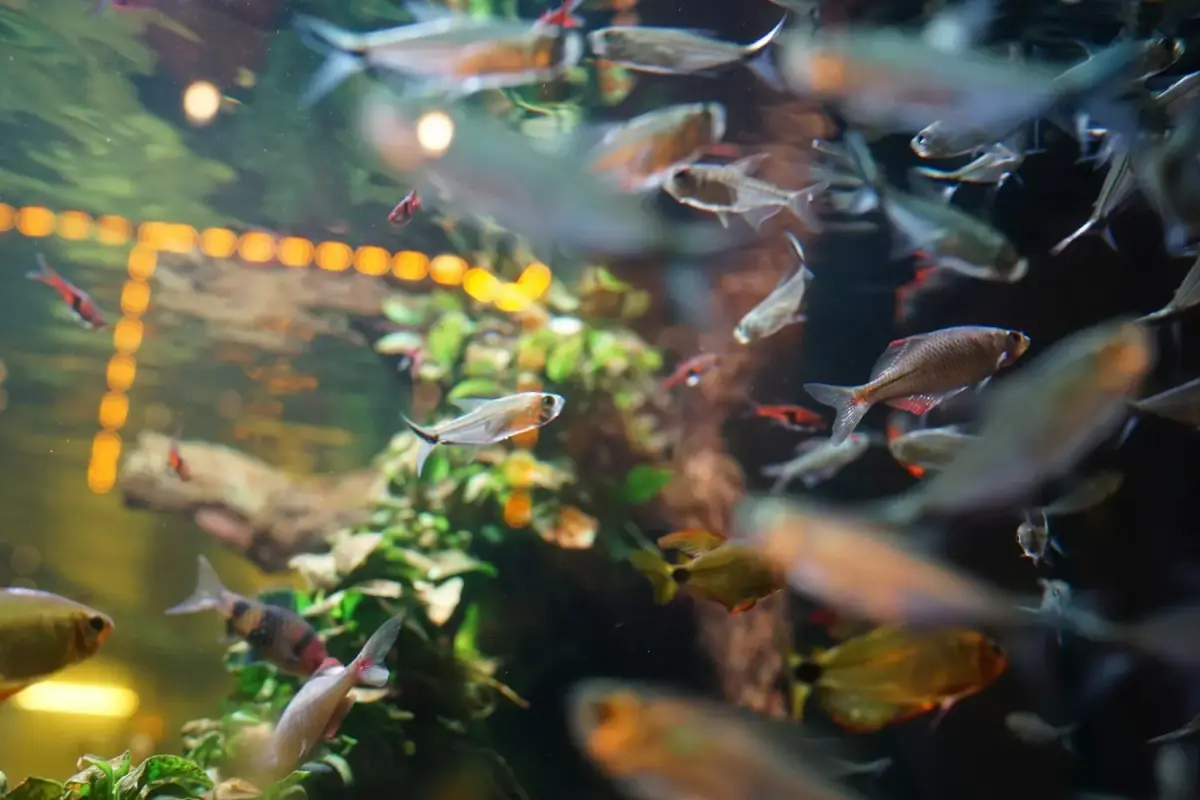
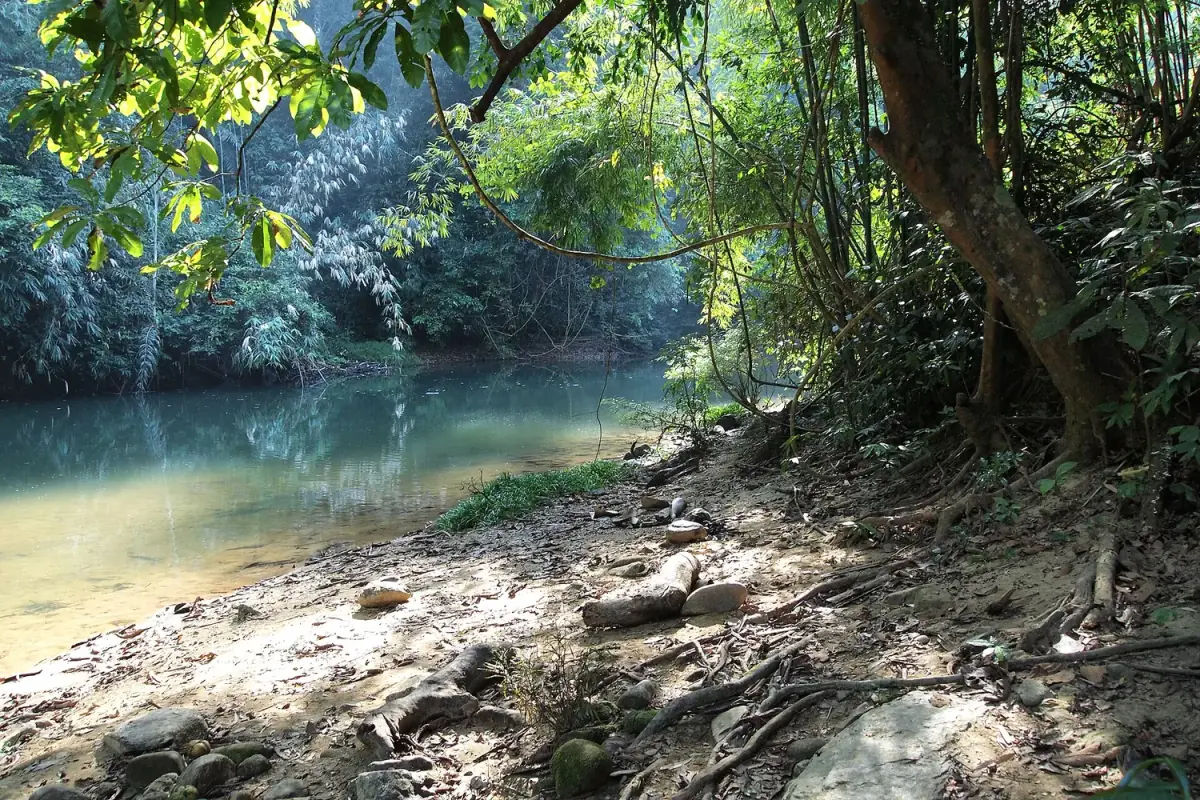
Found in a variety of habitats from boulder-strewn mountain torrents to small pools in dry zone streams. Most common in flowing water than in reservoirs and tanks. Forms medium sized shoals and prefers flowing water. Feeds on terrestrial insects and detritus. Spawns in shallow water, among marginal weeds and roots usually after heavy rains. Eggs are light orange and sticky; more than 200 eggs are laid and hatch in 1-2 days. Fry are free-swimming on fifth day. Exhibits cannibalism on eggs. Rarely reaches 12 cm.
Source: FishBase
Why "one cm of fish per liter" falls short, and what adult size, schools, territory and swimming zones mean for how many fish a tank can hold.
Velvet is a fast-moving parasite. Dropsy is a sign that something is seriously wrong inside the fish. How to recognize them, and what you can do.
Two aquariums from Southeast Asia: calm forest streams and peat swamps with soft, brown water, and fast mountain streams with cool, oxygen-rich water.
From the store to the tank: how to get the fish used to your water, why you should add only a few at a time, and what to watch for in the first few days.