FreshwaterBrackish
Goldfish
Carassius auratus
Cyprinidae, Cyprininae
Carassius auratus
Cyprinidae, Cyprininae
Know what is missing? Sign up and suggest it in the app.
Know what is missing? Sign up and suggest it in the app.
Worked out from its length, as we don’t yet know what size tank it should have. Do you? Sign up and tell us in the app.
Try other measures in the appLives wild in China, Hong Kong SAR China, Japan, Laos, Macao SAR China, and Vietnam.
Introduced to Afghanistan, Albania, Algeria, Argentina, Australia, Austria, Belarus, Belgium, and 64 more countries.
Inhabit rivers, lakes, ponds and ditches with stagnant or slow-flowing water. Occur in eutrophic waters, well vegetated ponds and canals. Live better in cold water. Feed mainly on plankton, benthic invertebrates, plant material and detritus. Goldfish lay eggs on submerged vegetation. Females spawn multiple times during the spawning period. Oviparous, with pelagic larvae. They last long in captivity. Maximum recorded salinity is 17 ppt, but unable to withstand prolonged exposure above 15 ppt. Used as an experimental species. Valued as ornamental fish for ponds and aquaria; edible but rarely eaten. Aquarium keeping: in groups of 5 or more individuals; minimum aquarium size 100 cm. Reported individual hooked by an angler in a lake in Poole, Dorset measured 40 cm (16 in), weighing 2.3 kg (Practical Fishkeeping, 2010).
Source: FishBase
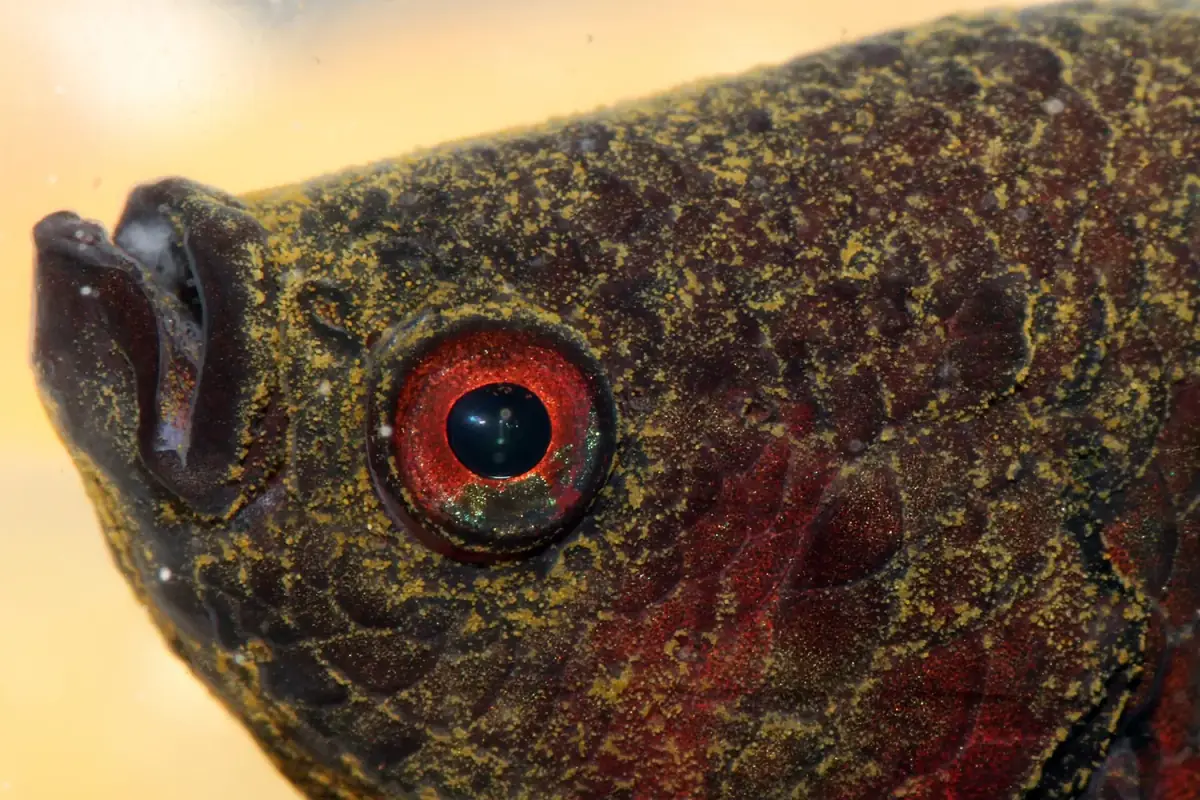
Velvet is a fast-moving parasite. Dropsy is a sign that something is seriously wrong inside the fish. How to recognize them, and what you can do.
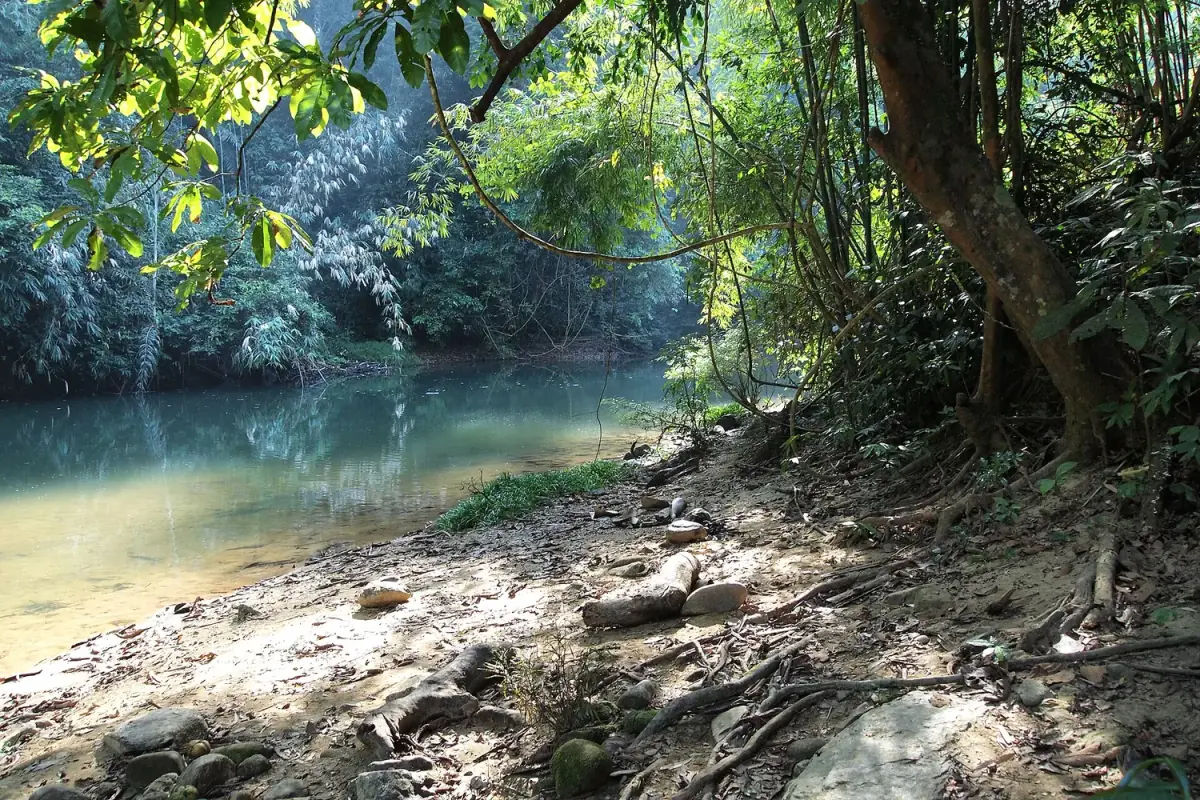
Two aquariums from Southeast Asia: calm forest streams and peat swamps with soft, brown water, and fast mountain streams with cool, oxygen-rich water.
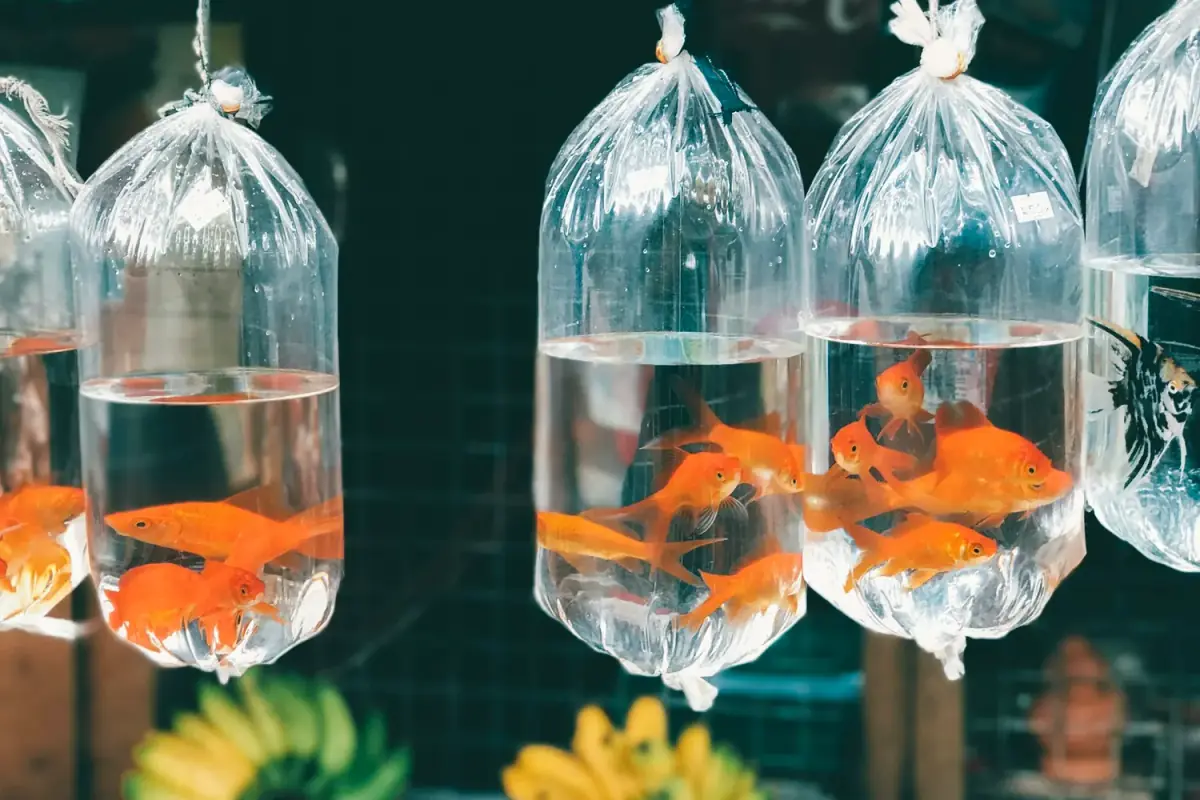
From the store to the tank: how to get the fish used to your water, why you should add only a few at a time, and what to watch for in the first few days.
Why new fish should live in a tank of their own for a few weeks before they move in, what you need, and what to look for.