FreshwaterBrackish
Climbing perch
Anabas testudineus
Anabantidae
Anabas testudineus
Anabantidae
Know what is missing? Sign up and suggest it in the app.
Know what is missing? Sign up and suggest it in the app.
Worked out from its length, as we don’t yet know what size tank it should have. Do you? Sign up and tell us in the app.
Try other measures in the appLives wild in Bangladesh, Cambodia, China, India, Indonesia, Laos, Malaysia, Myanmar (Burma), and 8 more countries.
Introduced to Australia, Hong Kong SAR China, Papua New Guinea, and Philippines.
Rodrigo SilvaOct 6, 2026
Rodrigo SilvaJul 24, 2026
Rodrigo SilvaFeb 16, 2026
Rodrigo SilvaFeb 13, 2026
Found mostly in canals, lakes, ponds, swamps and estuaries. Adults occur in medium to large rivers, brooks, flooded fields and stagnant water bodies including sluggish flowing canals. Often found in areas with dense vegetation. Can tolerate extremely unfavorable water conditions and is associated mainly with turbid, stagnant waters. They remain buried under the mud during dry season. Feed on macrophytic vegetation, shrimps and fish fry. Reported to undertake lateral migration from the Mekong mainstream, or other permanent water bodies, to flooded areas during the flood season and return to the permanent water bodies at the onset of the dry season. During the dry season, they stay in pools associated with submerged woods and shrubs. Posses an accessory air-breathing organ. Able to survive for several days or weeks out of water if the air breathing organs can be kept moist. Quite famous for its ability to walk; important food fish in SE Asia, considered as a tasty food fish but not of the finest quality since it is bony. Usually sold live in markets where it is kept alive for several days by keeping it moist. Economic foodfish in the Southeast Asia.
Source: FishBase
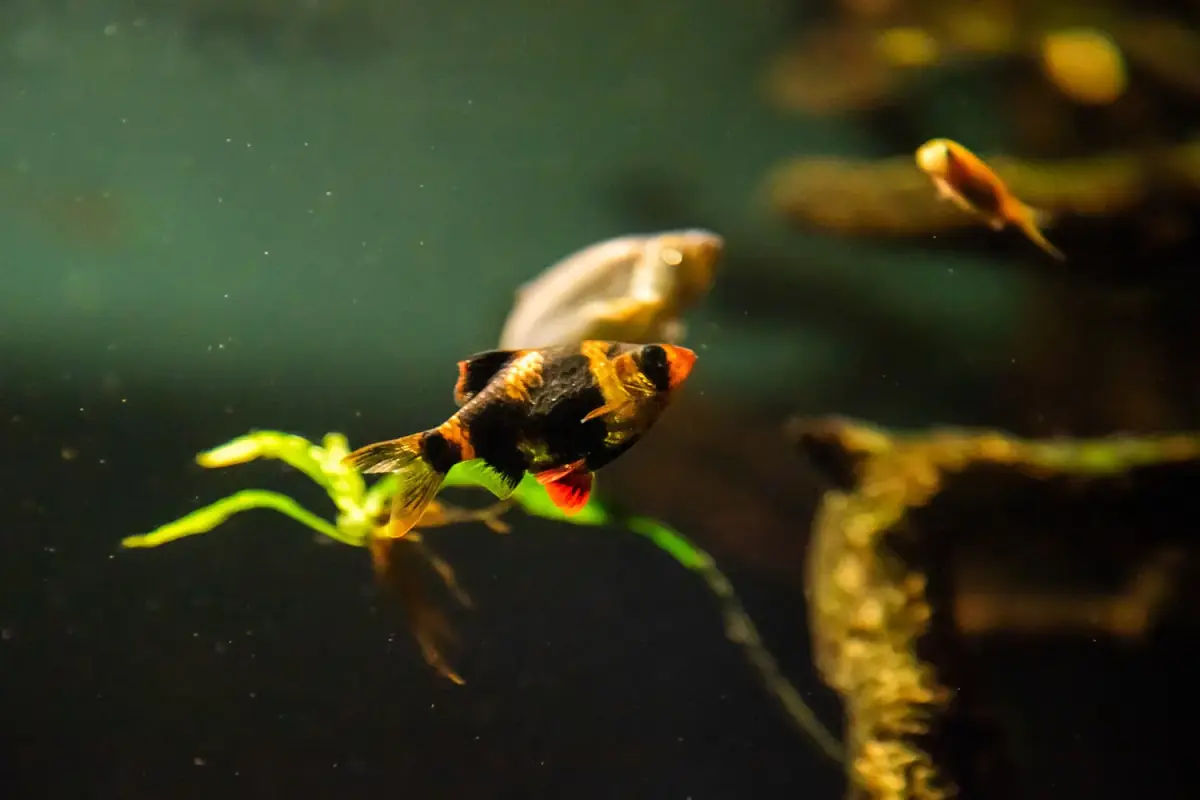
Temperament, fin nippers, fish that eat other fish, and fish that need the same water. And what the Harmony mark in the app means.
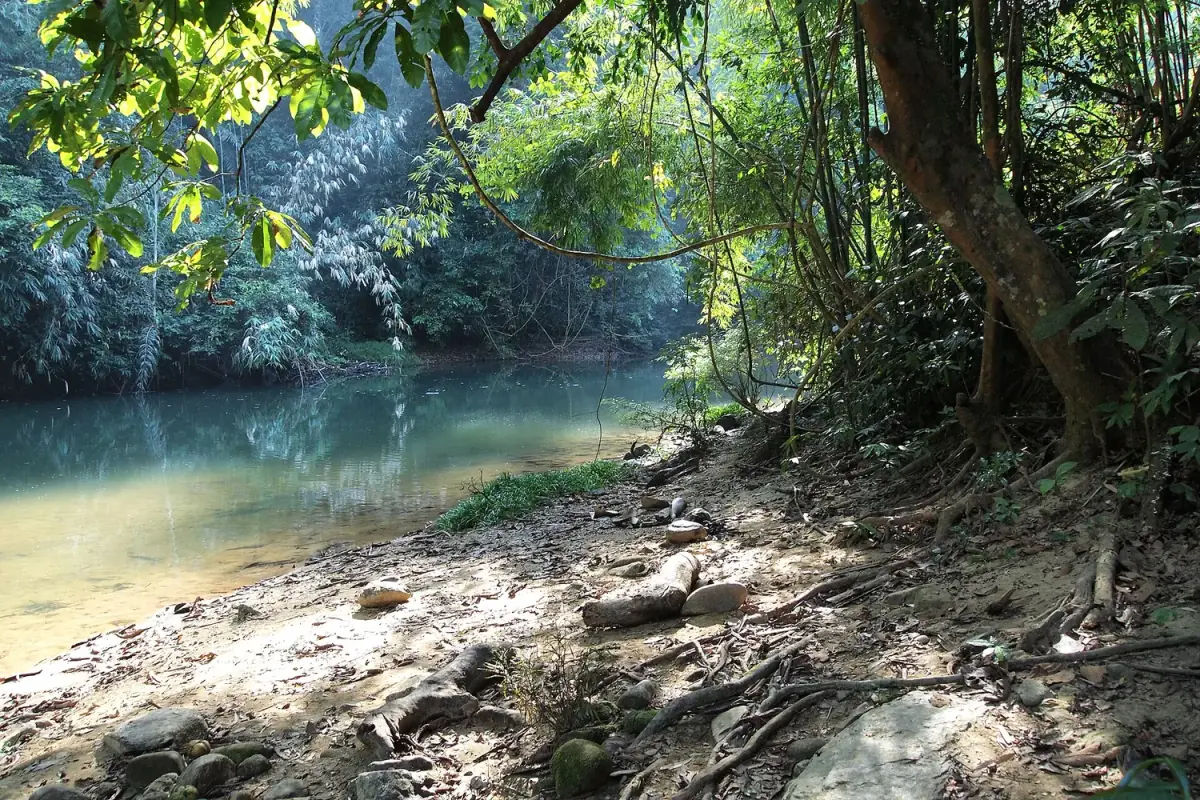
Two aquariums from Southeast Asia: calm forest streams and peat swamps with soft, brown water, and fast mountain streams with cool, oxygen-rich water.
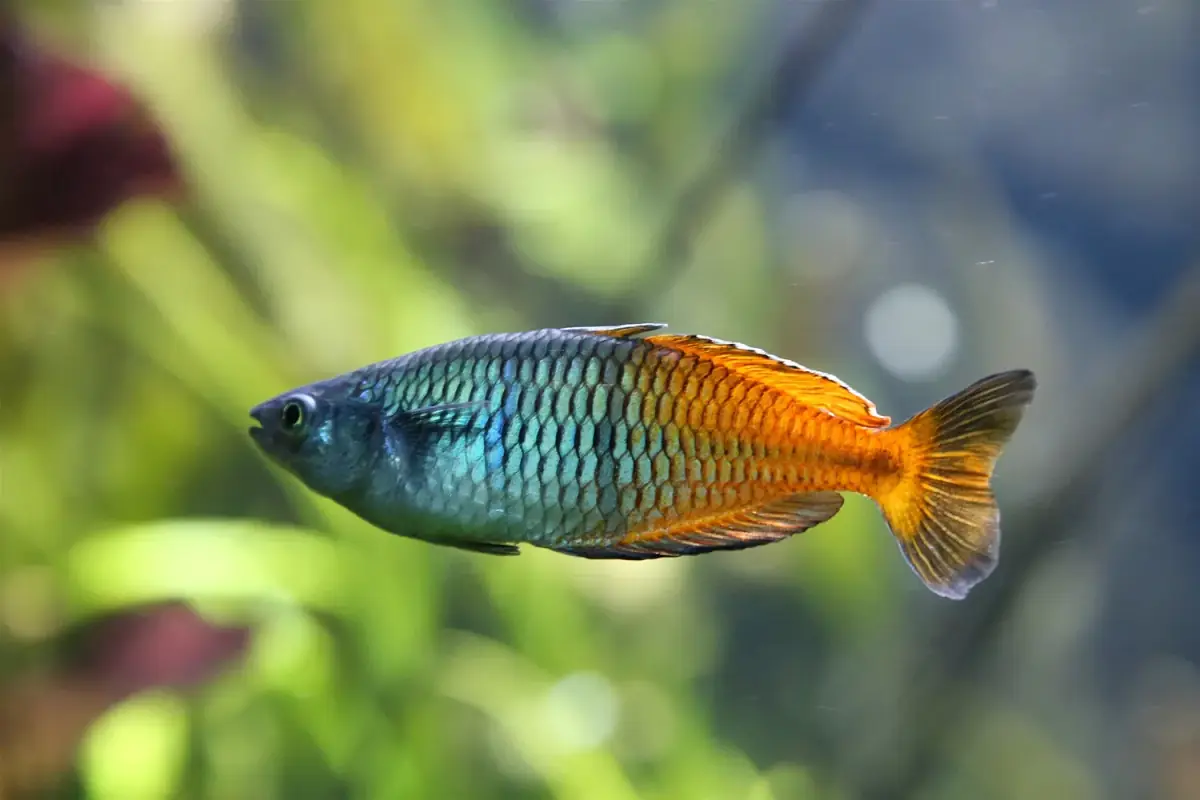
The home of rainbowfish: water, substrate, plants and light for rainbowfish, blue-eyes and peacock gudgeons, with a long aquarium and open water in the middle.
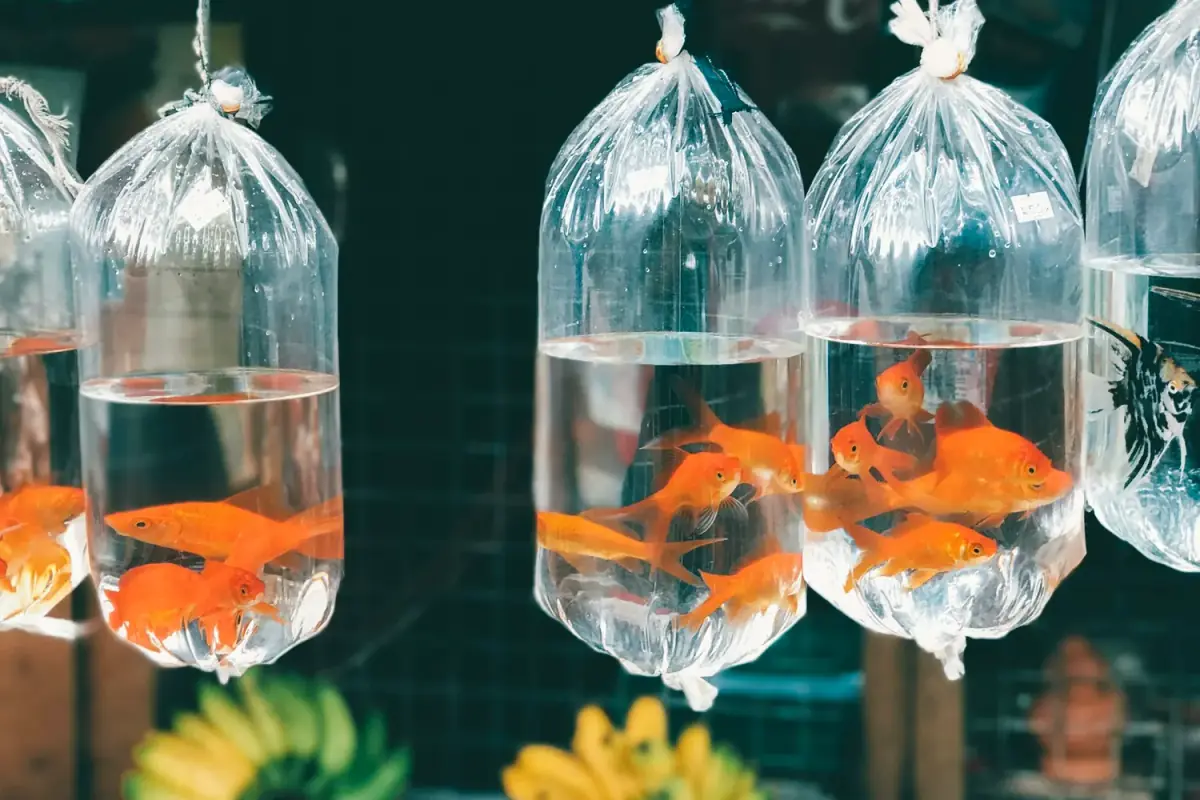
From the store to the tank: how to get the fish used to your water, why you should add only a few at a time, and what to watch for in the first few days.