Saltwater
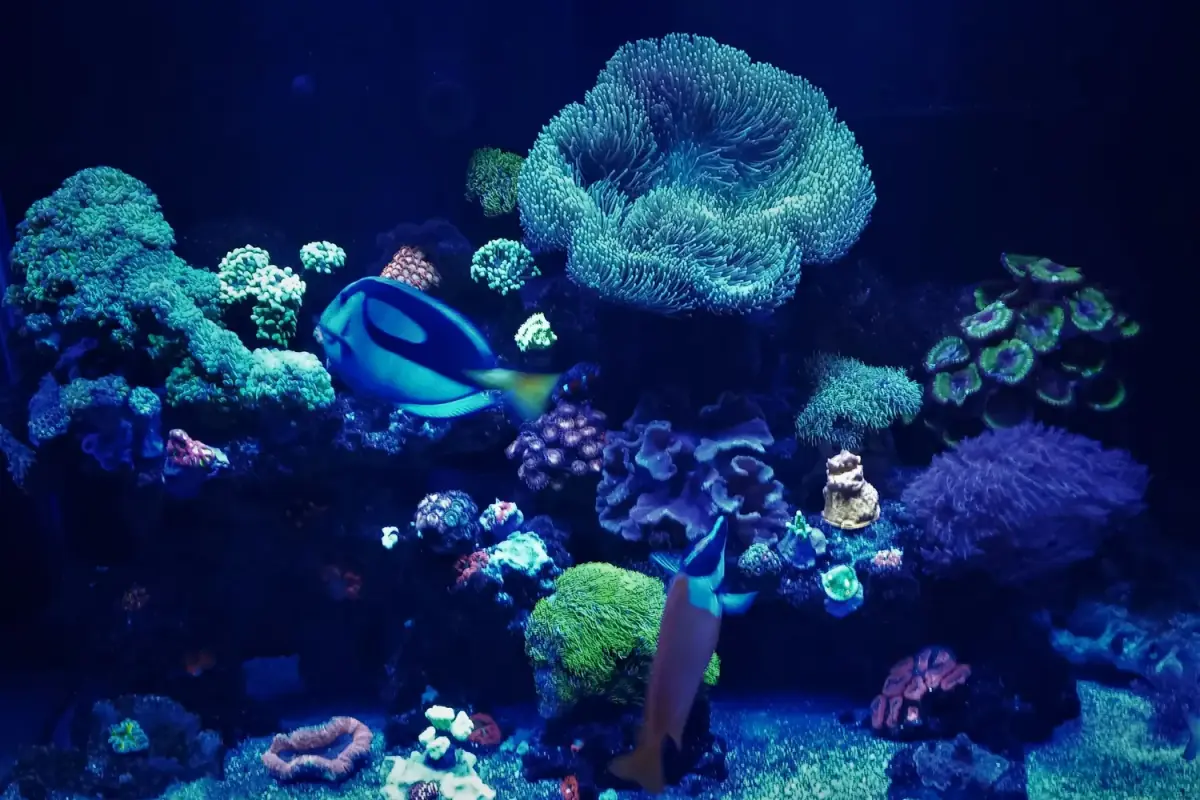
Doctorfish
Acanthurus chirurgus
Acanthuridae, Acanthurinae
Acanthurus chirurgus
Acanthuridae, Acanthurinae
Know what is missing? Sign up and suggest it in the app.
Know what is missing? Sign up and suggest it in the app.
Worked out from its length, as we don’t yet know what size tank it should have. Do you? Sign up and tell us in the app.
Try other measures in the appLives wild in Anguilla, Antigua & Barbuda, Aruba, Bahamas, Barbados, Belize, Bermuda, Brazil, and 33 more countries.
Inhabits shallow reefs or rocky areas. Found in loose aggregations. Mainly diurnal. Ingests sand when feeding on algae. The spine on both sides of the caudal peduncle may inflict painful wounds. Minimum depth reported from Ref. 27115. Larvae are planktonic. At Fernando de Noronha Archipelago in southwestern Atlantic, juveniles hold cleaning stations together with the blue tang (Acanthurus coeruleus) and sergeant major (Abudefduf saxatilis) and graze algae as well as pick molted skin and parasites from green turtles (Chelonia mydas). This behavior is preceded by a characteristic inspection usually followed by feeding nips on the turtles’ skin (head, limbs, and tail), as well as on the carapace. The most inspected and cleaned body parts are the flippers.
Source: FishBase
From the store to the tank: how to get the fish used to your water, why you should add only a few at a time, and what to watch for in the first few days.
Why new fish should live in a tank of their own for a few weeks before they move in, what you need, and what to look for.
What is different in a saltwater aquarium: salt, refractometer, live rock and corals. An introduction for anyone thinking of giving it a try.